Get free quotes from mold inspection near you
Takes about a minute. Free, no obligation; providers reply to you directly.
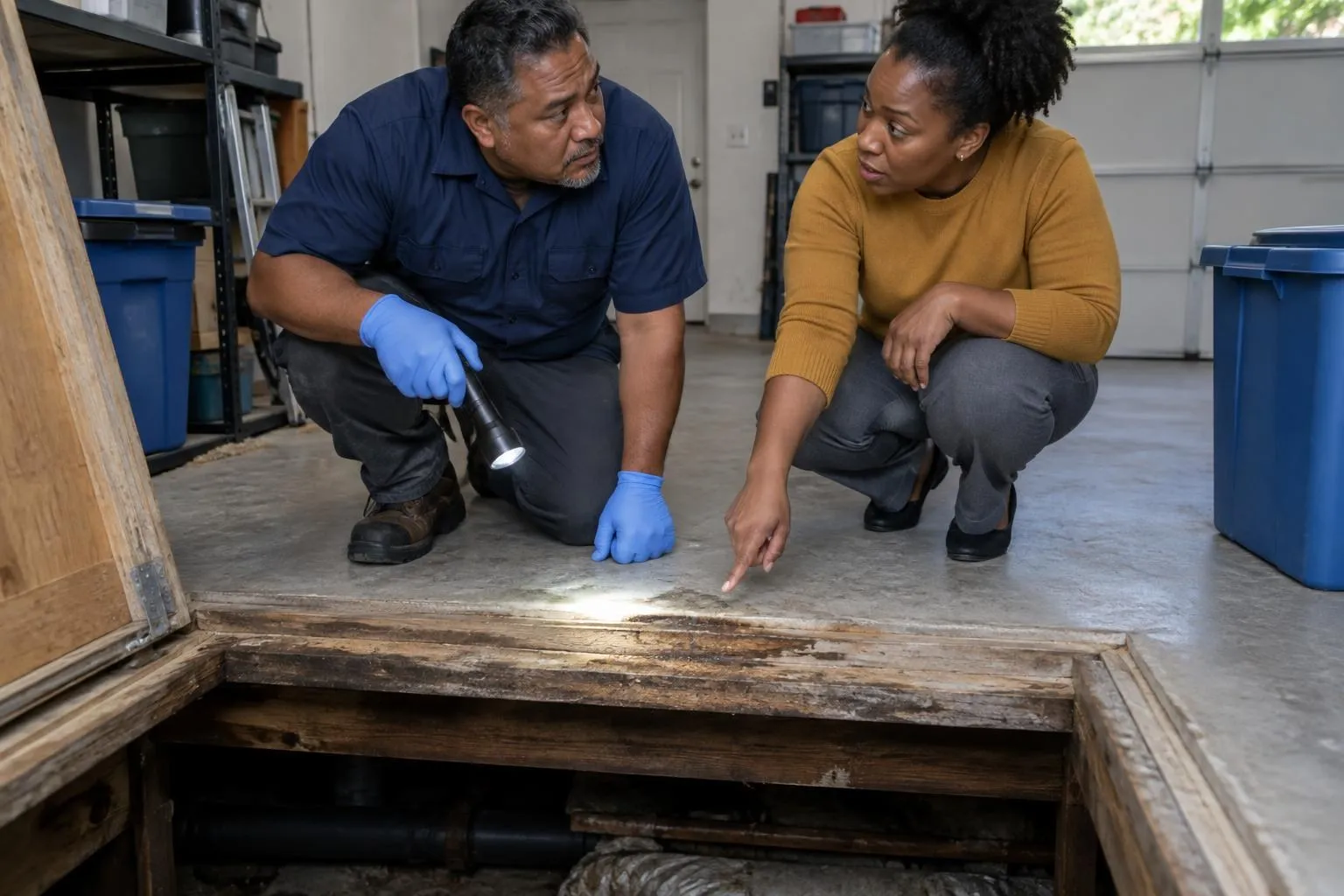
I showed up to my first mold inspection as a homeowner thinking I’d just… stay out of the way. Turns out, I’d left half my basement furniture piled in front of the crawl space access, my moisture meter was still in a box somewhere, and I had zero documentation of the water heater leak from three months prior. The inspector spent the first 20 minutes asking me questions I should have already answered, then had to reschedule parts of the assessment because he couldn’t actually reach the problem areas. I paid for a full inspection and got maybe 60% of one.
That day cost me money, time, and peace of mind. But it also taught me something: homeowners think mold inspectors are like plumbers—you just call them, they show up, they fix it. In reality, how you prepare for an inspection directly determines whether the inspector finds everything that needs finding.
The Short Version:Clean out 3 feet of clearance around suspected mold areas, gather documentation of any water events or leaks, ensure good lighting and power access, turn off pets and kids from inspection zones, and document your own observations with photos and a moisture meter first. Do this 24–48 hours before the inspector arrives, and you’ll cut inspection time in half while catching problems pros might otherwise miss.
Key Takeaways
- Indoor humidity over 50% accelerates mold—measure yours before the inspector arrives so you’re not guessing about your home’s moisture baseline.
- 3-foot clearance around walls and floors in problem areas (bathrooms, basements, crawl spaces) is non-negotiable; clutter literally prevents inspection.
- Document everything: dates of leaks, flooding, repairs, photos of damp spots, and odors. Pros use this history to find hidden moisture you can’t see.
- DIY mold disturbance is a mistake—touching visible mold releases spores. Self-inspect safely with photos and a meter, then let the professional handle assessment.
Why Most Homeowners Blow the Prep (And What They Miss)
Here’s what the industry doesn’t tell you: a mold inspector’s job isn’t just to find visible mold—it’s to map moisture. Moisture comes before mold. But if your house is cluttered, poorly lit, and you’ve got no context for where water problems started, the inspector is working blind.
Most people prepare for a mold inspection the way they prepare for a house guest—a quick tidy. That’s backwards. You’re preparing for forensic analysis.
The difference shows up in cost. A thorough inspection takes 2–4 hours depending on home size and sampling protocols (air pumps, UV scans, moisture meters). A rushed inspection because you weren’t ready? Still costs the same. You just get less.
The Pre-Inspection Checklist: What to Do 48 Hours Before
1. Check Humidity Levels
Grab a moisture meter or humidistat—they’re $20–40 on Amazon and worth every penny.
Why it matters: Indoor humidity over 50% is basically a mold growth permit. When you tell the inspector your baseline humidity, they can immediately assess whether your home’s environment is feeding mold or just hosting it.
- If you’re consistently above 50%, a dehumidifier isn’t optional—it’s foundational.
- If humidity spikes in certain rooms (bathrooms, basements), that’s a pattern worth documenting.
Pro Tip: Take humidity readings in at least three locations—a main living area, the bathroom, and the basement or crawl space. Variations tell a story.
2. Clear the 3-Foot Radius (Seriously, All of It)
This is the single most underrated prep task.
In bathrooms, basements, and crawl spaces—your high-risk zones—remove furniture, storage boxes, shelving, and personal items at least 3 feet from all walls. Yes, all walls. Not just the obviously damp ones.
Why? Mold often hides where humidity gets trapped behind objects. By creating clearance, you’re not just being nice to the inspector—you’re exposing the actual problem zones.
| Area | What to Clear | Why |
|---|---|---|
| Bathrooms | Towel racks, bath mats, storage under sinks, shower caddies | Moisture pools behind fixtures |
| Basements | Boxes, shelving units, furniture | Humidity gets trapped; wall mold stays hidden |
| Crawl Spaces | All stored items, insulation piles | Inspector can’t access joists, beams, vapor barrier |
| HVAC/Utility Areas | Items around water heater, furnace, HVAC unit | Condensation and drip pans are key inspection points |
After you’ve cleared, seal doorways with plastic sheeting and painter’s tape to prevent cross-contamination between spaces. The inspector will appreciate it and will work more efficiently.
3. Compile Your Water History
Pull together every leak, flood, plumbing repair, and water-related event from the past 3–5 years.
What to gather:
- Dates of incidents (even approximate)
- Photos of damage (peeling paint, staining, water marks)
- Receipts or invoices from repairs, restoration work, or waterproofing
- Notes on areas where you’ve noticed musty odors or tenant complaints (if rental property)
- Records of roof repairs, siding replacement, or foundation work
This isn’t busywork. Mold develops where water has been—and water problems often recur in the same spots. An inspector who knows your history will prioritize those zones and use specialized tools (moisture meters, UV scans) to find hidden moisture.
Reality Check: If you can’t find receipts, write it down anyway. “Water heater leaked in September 2022, fixed by [plumber name]” is better than silence. Pattern recognition is half the battle.
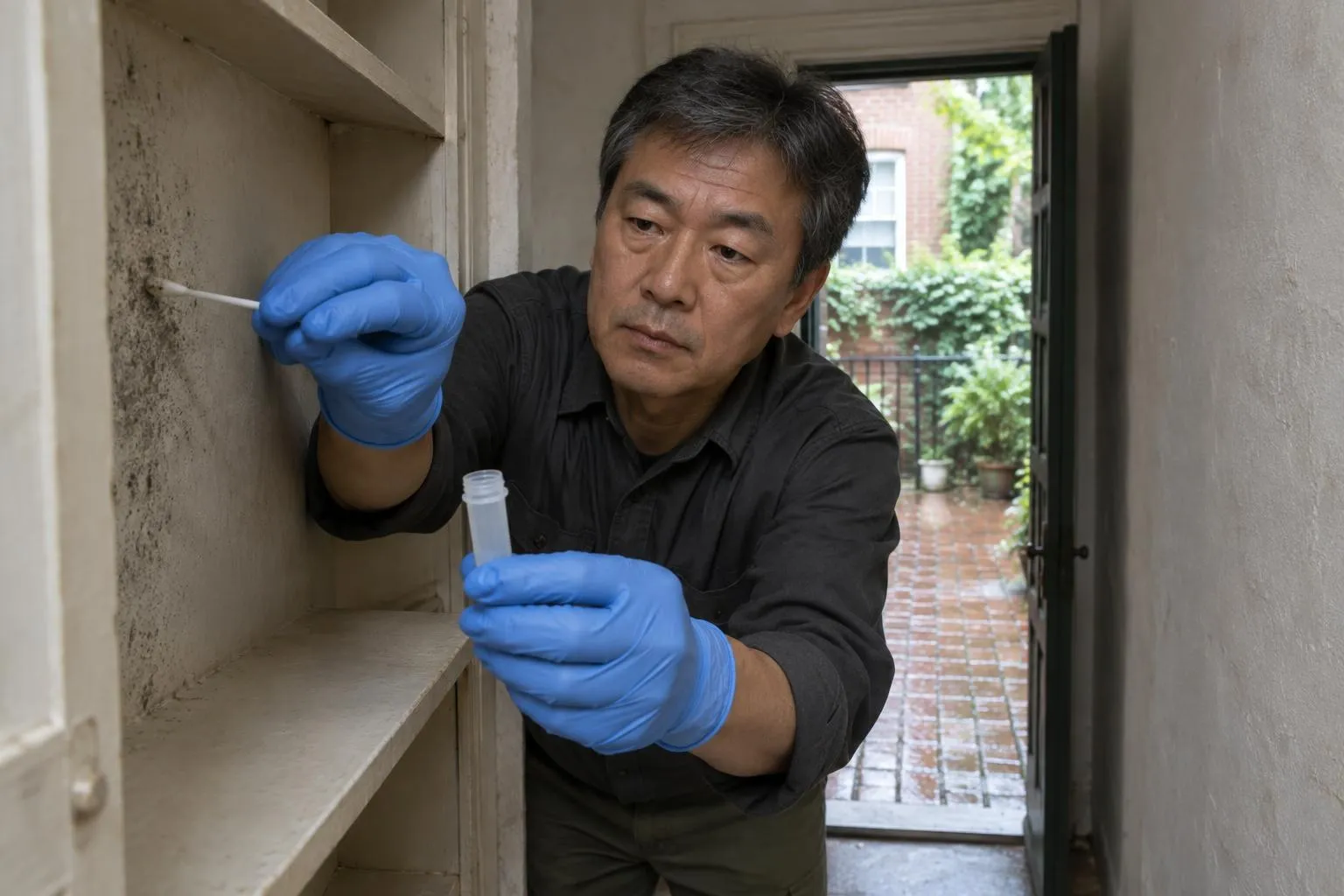
4. Do a DIY Inspection (But Don’t Touch Anything)
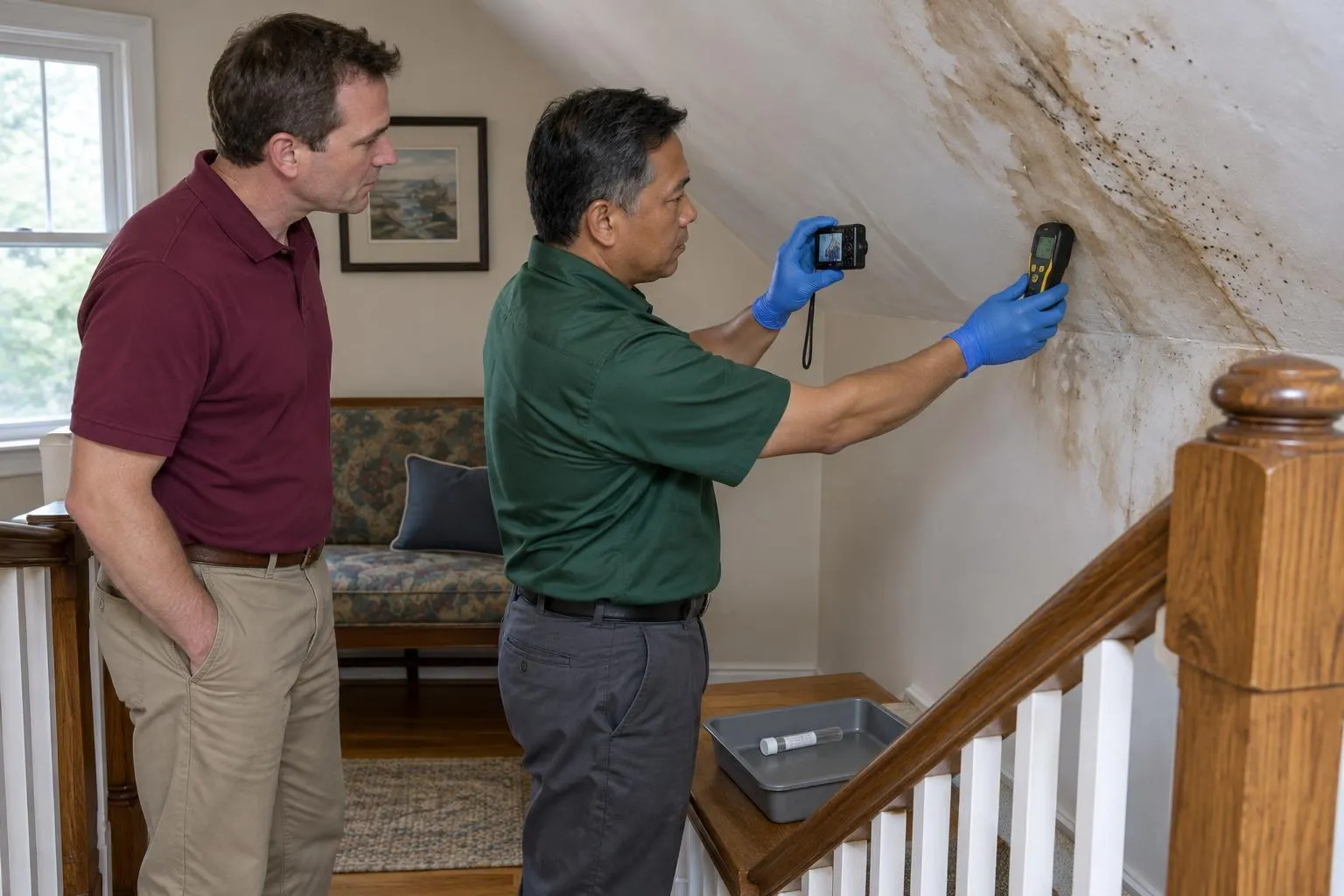
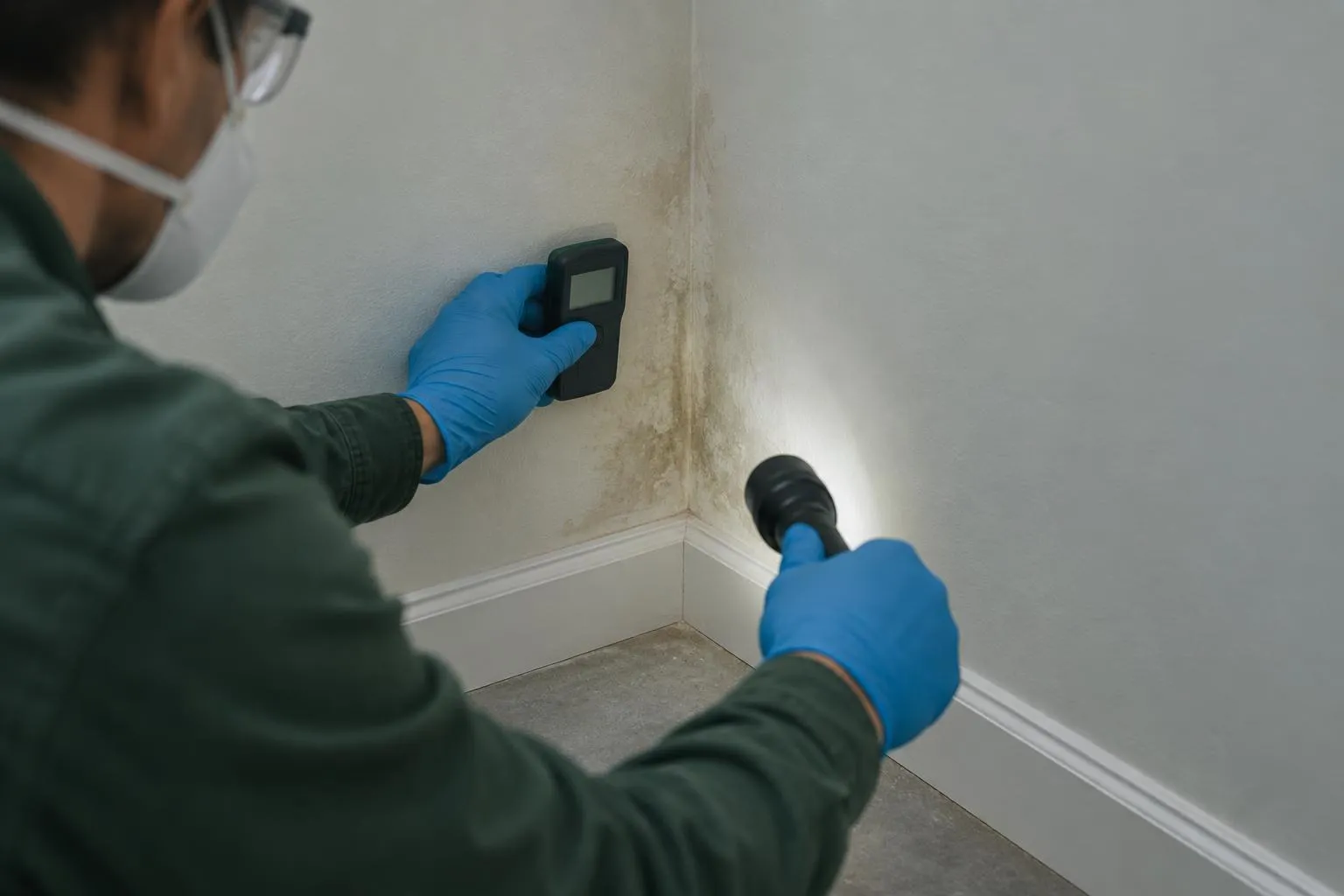
Before the pro arrives, walk through your home with a flashlight, camera, and moisture meter.
What to look for:
- Standing water or recent dampness
- Musty odors (especially in corners, under floors, near HVAC)
- Visible mold (dark spots, fuzzy growth, discoloration)
- Water stains, peeling paint, or ceiling discoloration
- Leaks under sinks, around toilets, or near appliances
- Soft spots in wood or compromised grout/caulking
- Non-functional exhaust fans or ventilation
- Cracks in concrete floors (wider than hairline = moisture pathway)
- Rust or condensation on HVAC ducts
Take photos. Use the moisture meter on walls, floors, and around pipes. Do not peel, scrape, or disturb any suspected mold areas—you’ll release spores into the air and make the problem worse.
Pro Tip: Use a printable mold inspection checklist (NYC publishes a solid one online) to stay systematic. You’re not trying to diagnose—you’re documenting baseline conditions so the inspector has context.
5. Prepare Access and Utilities
Mold inspectors use tools that need power and visibility.
- Ensure good lighting. Open blinds, turn on all lights, or have a work light available. UV/black-light scans work better with ambient light controlled, so be ready to dim if needed.
- Provide accessible power outlets near problem areas. Air sampling pumps, moisture meters, and thermal imaging tools all need juice.
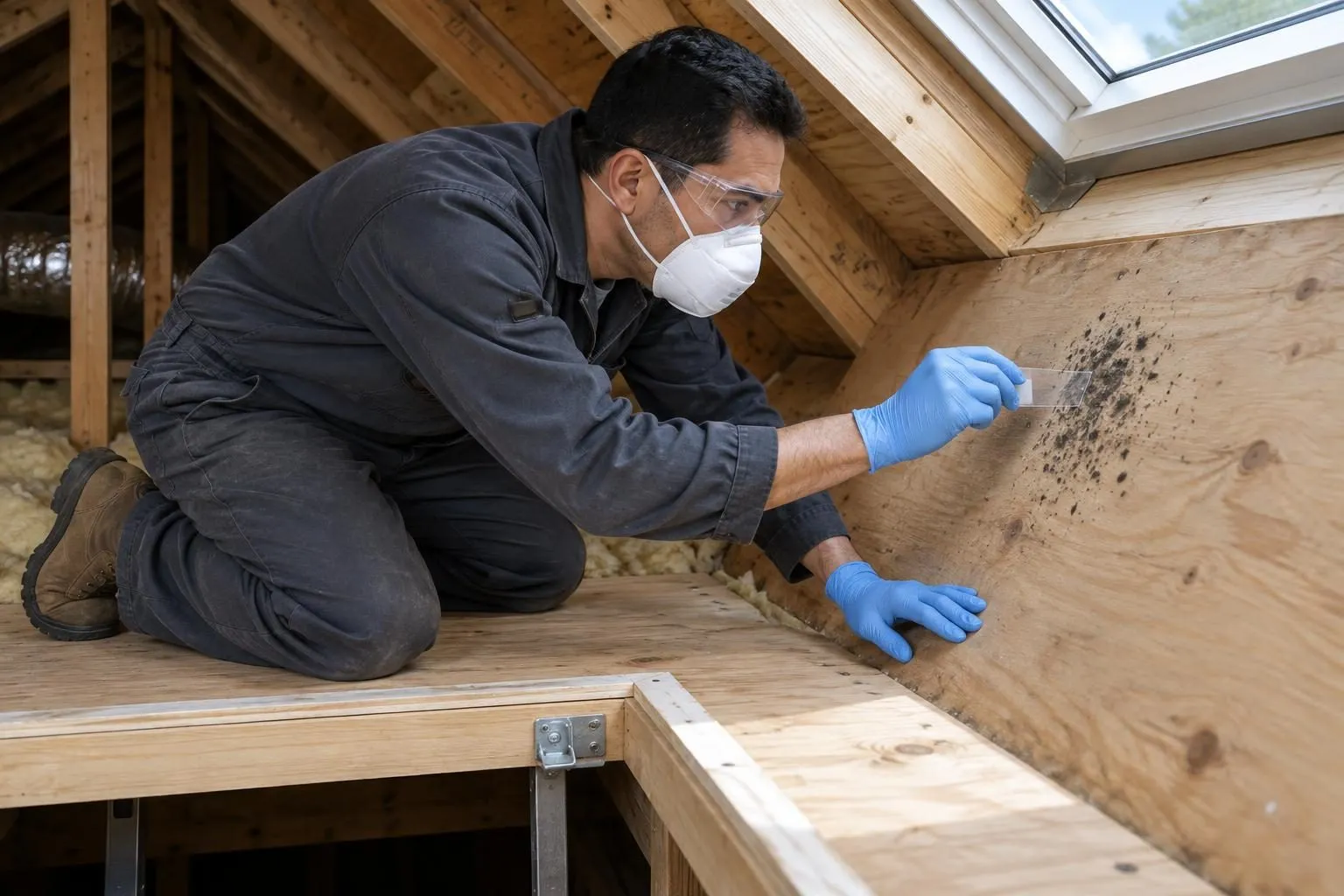
- Unlock and clear crawl space entries, basement doors, and attic access points. If something’s blocked or locked, say so upfront—the inspector needs to know about inaccessible zones.
- Secure pets and children outside or in an unaffected room. This isn’t just courtesy; it prevents contamination and keeps folks safe.
6. Document Existing Ventilation and HVAC
Walk your inspector through how your home breathes.
- Show them exhaust fans (do they actually vent outside, or recirculate?).
- Point out any HVAC return/supply placement, especially near suspected damp areas.
- Note if you run AC constantly, seasonally, or sporadically—this changes moisture patterns.
- Mention any dehumidifiers or humidifiers in use.
Context matters. A basement that runs humid in summer but dry in winter has different root causes than one that’s constantly damp.
What NOT to Do (Common Mistakes)
Don’t disturb visible mold. Peeling paint, fuzzy spots, or discolored areas? Leave them alone. Mold spores released into the air make everything worse and muddy the inspection.
Don’t assume “it’ll dry out on its own.” Moisture is the villain here. A basement that smells musty or shows dampness after rain isn’t going to self-correct. Document it and let the pro assess.
Don’t over-prepare with remediation. Your job is inspection readiness, not remediation. Once the inspector confirms the scope and cause, then you hire a licensed mold remediation company. Premature cleanup just obscures evidence.
Don’t hide problem areas. Some homeowners pile furniture in front of moldy walls hoping the inspector won’t notice. Spoiler: they do. And now you’ve paid for an inspection that can’t do its job.
After the Inspection: What’s Next
Once the report lands, you’ll have findings on mold species, extent, and likely cause. This determines remediation strategy—and cost varies wildly depending on whether it’s a bathroom caulking issue or a basement structural problem.
Reality Check: Most mold problems are preventable. Post-remediation, keep humidity below 50%, fix leaks within 48 hours, ensure exhaust fans vent outside, and empty drip pans on HVAC units and water heaters regularly. Prevention beats cure.
For deeper context on what the inspector is actually looking for and how to interpret results, check out The Complete Guide to Mold Inspectors.
Practical Bottom Line
Here’s what you do this week:
- Get a moisture meter ($20–40) and take baseline readings in 3+ locations. Note any area over 50% humidity.
- Clear a 3-foot radius in bathrooms, basements, and crawl spaces. Remove storage, furniture, and clutter.
- Gather your water history—dates of leaks, flooding, repairs. Photos count.
- Walk through with a flashlight and camera. Document musty smells, stains, and suspect areas without touching anything.
- Schedule the inspection for 48 hours after prep, so you’re not rushing through it.
- Provide good lighting and power access. Make the inspector’s job easy.
A mold inspector isn’t a magician—they’re a detective. Give them clear access, context, and baseline data, and they’ll find what’s actually happening in your home. Skip the prep, and you’re essentially paying for a partial investigation.
You’ve got this. Now go clear that basement.
Done reading? Get quotes from mold inspectors near you.
Takes about a minute. Free, no obligation; providers reply to you directly.
Popular cities:
Nick built this directory to help homeowners find credentialed mold inspectors without wading through contractors who mostly want to sell remediation — a conflict of interest he ran into when trying to assess his own home after a plumbing leak.