Get free quotes from mold inspection near you
Takes about a minute. Free, no obligation; providers reply to you directly.
I got the call at 2 PM on a Tuesday: “We think there’s mold in the basement. How do we know if we need to panic?”
My neighbor had ignored a slow leak for six months. By the time he noticed the smell, mold had colonized three walls. He hired the first inspector who answered the phone—a guy who showed up, took one photo, and handed him a bill. No samples. No moisture mapping. No clarity on what was actually growing or where it was hiding. Three weeks later, he hired a second inspector. Same thing. Different bill.
He ended up spending $6,000 on remediation based on guesswork.
The truth nobody tells you: most people hire a mold inspector with zero idea what to expect. They don’t know what questions to ask, how long it should take, or what the inspector should actually be doing once they walk through the door.
I’ve spent the last few weeks wading through industry standards (IAC2, state licensing requirements, lab protocols) and real-world inspector practices. Here’s what actually happens when you hire one—and how to make sure you’re getting your money’s worth.
The Short Version:A mold inspection takes 2–4 hours for most homes, costs vary by scope, and you’ll get lab results in 3–5 business days. Prep your space (clear clutter, ensure access), provide your home’s history upfront, and hire a licensed inspector with no financial stake in remediation. The process is straightforward if you know what to ask for.
Key Takeaways
- Timeline reality: Inspector visit is 2–4 hours; lab analysis adds 3–5 business days before you get answers.
- Prep work matters: Clearing 3 feet of clutter from walls and securing pets/children prevents cross-contamination and speeds up the inspection.
- Conflict of interest is real: Make sure your inspector doesn’t also do remediation (especially if you’re in New York—it’s actually illegal over 10 sq. ft.).
- What you’re really paying for: Moisture mapping, sampling protocol, and a written report that tells you what is growing, where, and why.
Step 1: The Initial Consultation (Phone or In-Person)
You call. Or you email. Most reputable inspectors will do a brief phone consult before scheduling.
Here’s what you need to do: Don’t skip the home history conversation. Tell them about water damage, leaks, musty smells, respiratory issues—anything that made you suspicious in the first place. This context shapes what the inspector will look for and how aggressive the sampling needs to be.
Axel Works, a mold inspection firm I reviewed, stresses this: the phone consult is when they nail down cost, scheduling, and scope. You’re not paying for this—it’s how they figure out if your job is a $400 visual check or a $1,500 full air-sampling operation.
Pro Tip:Write down a timeline of water events. When did that pipe burst? When did you notice the smell? This isn’t paranoia—it’s the difference between a targeted inspection and a fishing expedition. Mold grows within 24–48 hours of moisture exposure, so timing matters.
Timeline: Phone consult to scheduled inspection = 24–72 hours (faster in urgent cases).
Step 2: Preparation (What You Do Before They Show Up)
This is where most people mess up.
Your job before the inspector arrives is to make their job possible:
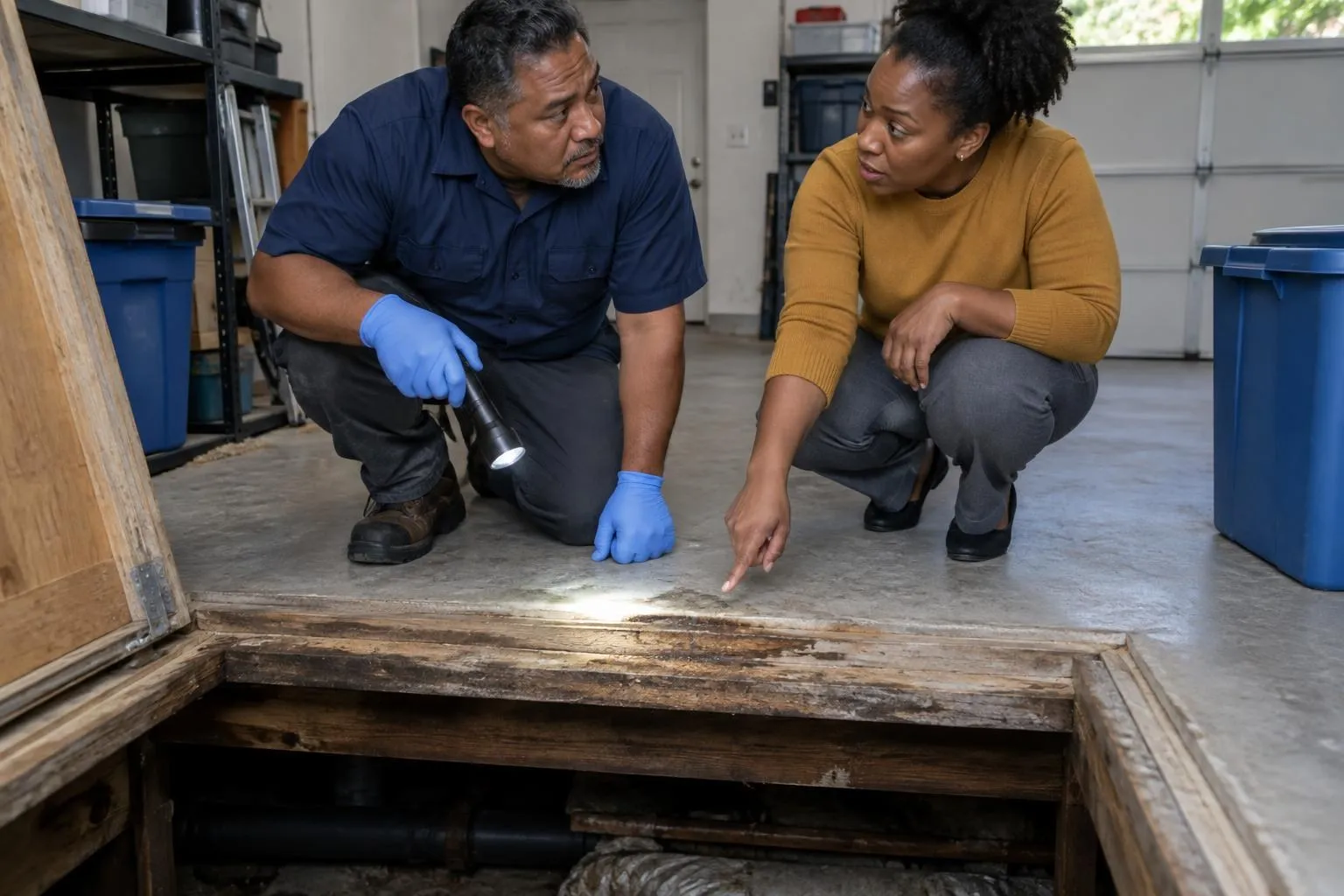
- Clear a 3-foot radius around high-risk areas (bathrooms, kitchens, crawl spaces, basement walls). Move furniture, boxes, anything blocking wall access. The inspector can’t assess what they can’t see.
- Ensure lighting and power access. Mold hides in dark corners—bring flashlights or clear outlets so they can use their infrared cameras and UV scanners.
- Seal off areas if you’re concerned about cross-contamination. Use plastic sheeting or painter’s tape on vents and doors. GAC Mold Inspection Team (NYC-based, NYS-licensed) does this routinely to prevent spores from spreading during the inspection itself.
- Relocate pets and kids. They’ll be opening walls, using moisture meters, and potentially collecting air samples. You don’t want a dog underfoot or questions about why Timmy’s inhaler is within sniffing distance.
- Have your home’s documentation ready. Previous inspection reports, contractor notes from past water damage, maintenance records—anything that helps the inspector understand the building’s quirks.
Reality Check:One inspector told me about a client who didn’t clear clutter. He spent 45 minutes moving boxes instead of analyzing mold. The inspection ran over, costs went up, and the family got incomplete data. That was preventable.
Timeline: Prep = 1–2 hours max if you do it the day before.
Step 3: The On-Site Inspection (2–4 Hours)
Here’s what actually happens inside:
Visual Assessment
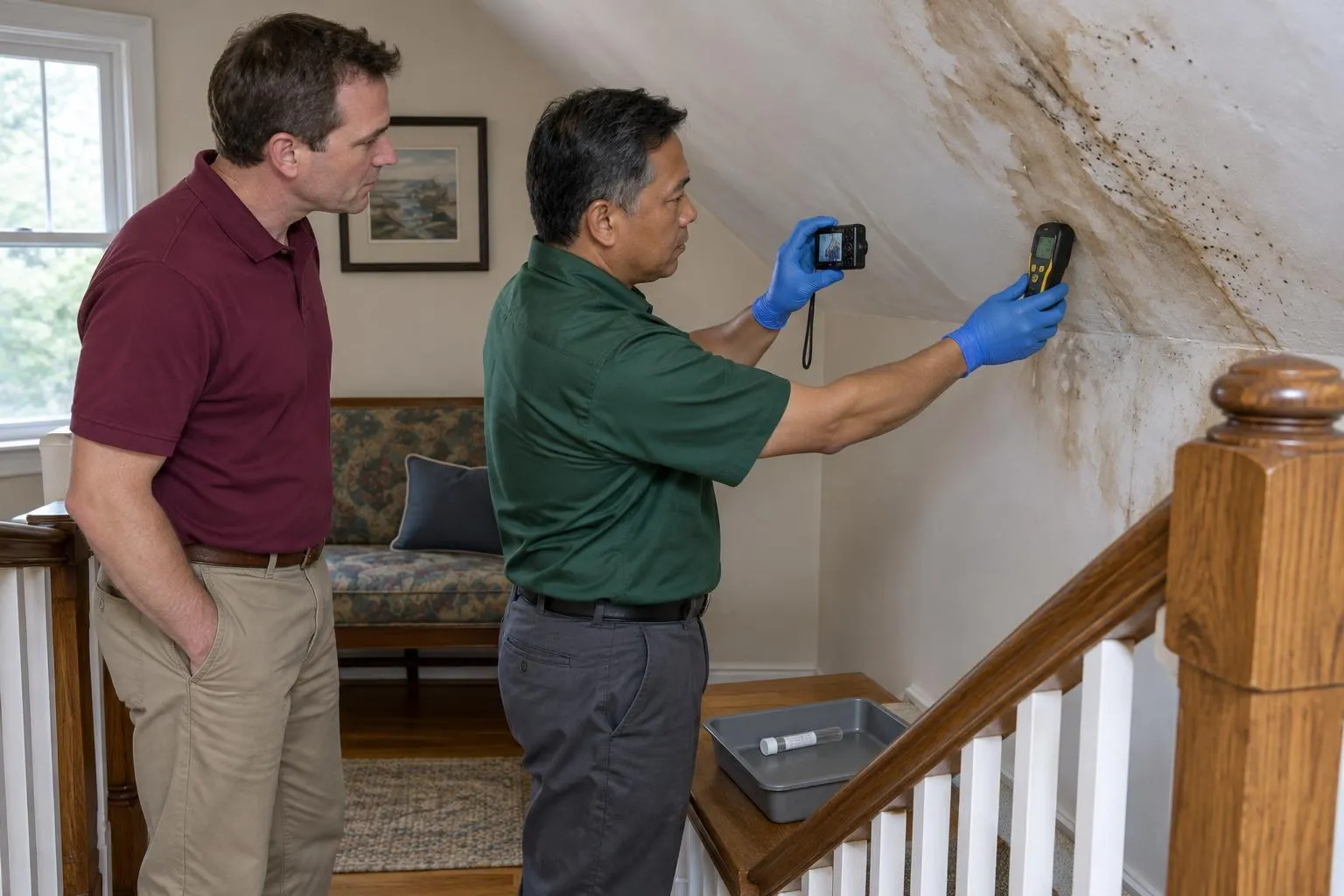
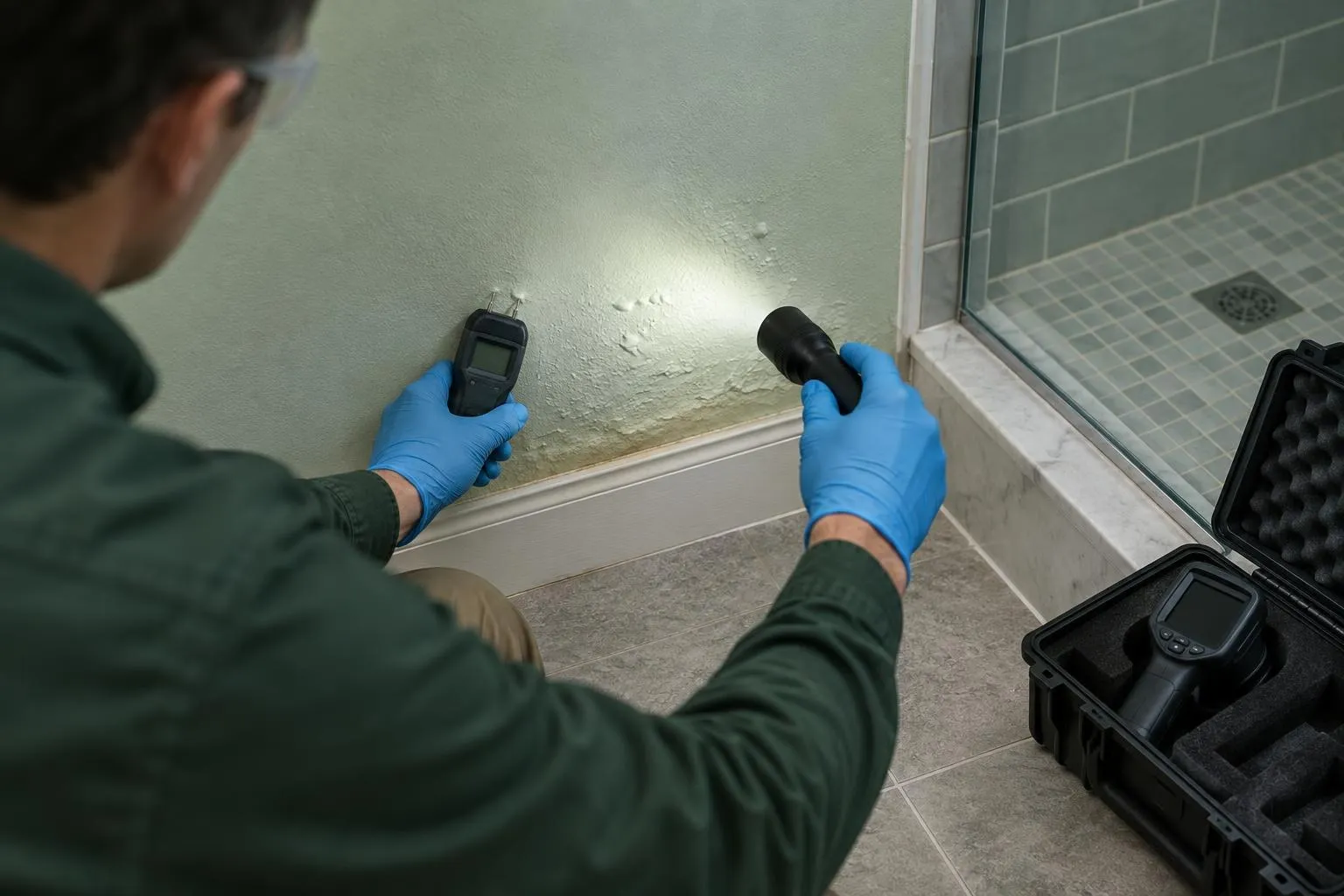
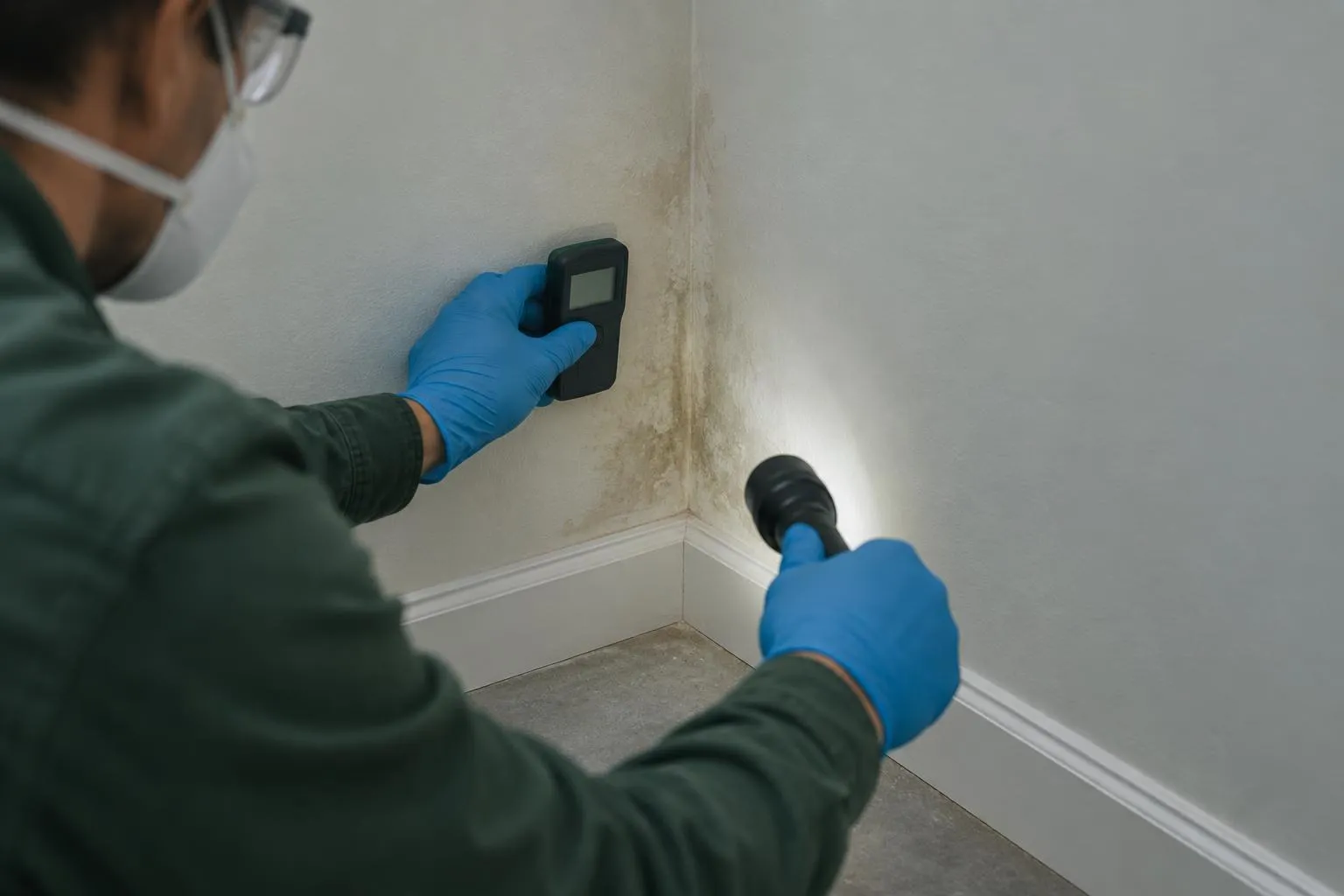
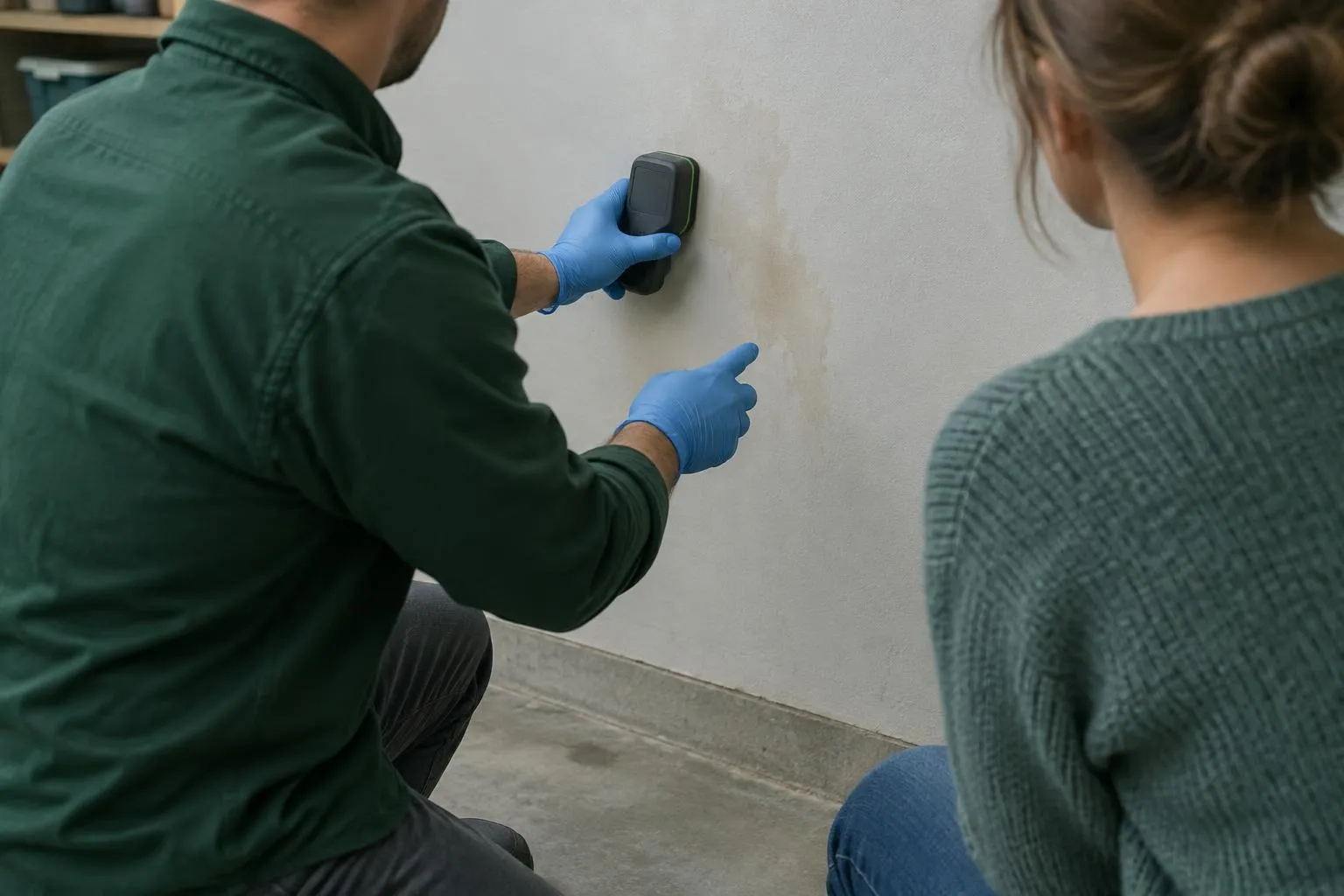
The inspector walks through with a moisture meter and infrared camera, looking for water intrusion signs: staining, discoloration, soft spots, musty odors, visible growth. This is non-invasive (IAC2 standards require visual inspection of accessible systems and components). They’re measuring moisture, temperature, and humidity—checking if conditions support mold growth.
Moisture Mapping
They use infrared cameras and moisture meters to find hidden moisture. Behind walls, inside crawl spaces, under carpets—anywhere moisture hides. Moisture is the villain here; mold is the result.
Sampling (If Needed)
This is where scope matters. They might collect:
- Air samples: Using an air pump, they pull air through a cassette and compare outdoor vs. indoor spore counts.
- Surface samples: Swabbing or tape-lifting visible or suspected mold.
- Bulk samples: Cutting out a piece of drywall, insulation, or HVAC filter for lab analysis.
WIN Home Inspection (a firm combining home inspections with mold services) uses all three methods for a comprehensive picture. Others stick to visual + air sampling—it depends on what you’ve hired for.
Tools They’ll Use
- Moisture meters
- Infrared (thermal) cameras
- UV/black-light scans
- Air pumps and sample cassettes
- Borescopes (tiny cameras for wall cavities)
| Inspection Type | Duration | Best For | Includes Sampling |
|---|---|---|---|
| Visual Only | 1–2 hours | Routine checks, low-risk scenarios | No |
| Visual + Moisture Mapping | 1.5–3 hours | Suspected water intrusion | Maybe (targeted) |
| Full Assessment (Visual + Air + Surface Sampling) | 2–4 hours | Post-water damage, health concerns | Yes (comprehensive) |
Real-world example:NFLA Mold (North Florida/South Georgia) does 1–3 hour inspections depending on property size and urgency. They prioritize fast scheduling because humidity in that region turns a small leak into a full colony in days.
Pro Tip:Ask the inspector before they start which sampling methods they’re using and why. If they’re collecting samples, confirm the lab turnaround (3–5 business days). Some labs are faster; some take a week. Know what you’re waiting for.
Timeline: On-site = 2–4 hours for residential homes; larger or more complex properties take longer.
Step 4: Lab Analysis and Reporting (3–5 Business Days)
After the inspector leaves, samples go to a third-party lab. They identify mold species, spore concentrations, and compare your indoor numbers to outdoor baselines.
Meanwhile, the inspector usually provides verbal findings on-site—the “here’s what I saw” summary before they leave. Don’t rely on memory. Ask them to walk you through the written report timeline.
The written report arrives 3–5 business days later and includes:
- Mold species identified (if applicable)
- Affected areas (specific rooms, materials)
- Water intrusion sources
- Moisture readings and locations
- Sampling results (if collected)
- Remediation recommendations
Melrose Mold Solutions emphasizes this: the report should tell a story. Not just “Aspergillus found” but “Aspergillus found in basement drywall, likely due to condensation from inadequate dehumidification post-water damage; recommend structural drying + HVAC filter replacement.”
Reality Check:A report that doesn’t explain why mold is growing is incomplete. The cause matters more than the species—fix the moisture, and the mold goes away.
Timeline: Lab analysis = 3–5 business days; report delivered within a week of inspection.
Step 5: Avoiding the Conflict of Interest Trap
Here’s where the industry gets murky: never hire an inspector who also does remediation.
They have a financial incentive to find mold and overstate the problem. In New York, it’s actually illegal. NYS-licensed firms cannot do both assessments and remediation for jobs over 10 sq. ft. The rule exists for a reason.
Check credentials. Real certifications:
- CMI (Certified Mold Inspector)
- ACAC CMC or CMRS (indoor air quality certifications)
Verify they’re licensed in your state and ask directly: “Do you do remediation work?” If yes, hang up. Hire someone else.
Reality Check: Regional Variations Matter
New York (NYC/NYS): Licensed assessors required for areas over 10 sq. ft. Strict separation between assessment and remediation. This is a feature, not a bug.
Other regions: Check local licensing requirements. National standards (IAC2) apply broadly, but some states are looser. That doesn’t mean you should hire a loser—just that you need to verify credentials yourself.
Practical Bottom Line
Here’s the roadmap you actually need:
- Call ahead. Provide your home’s water history. Get a ballpark on cost and scope.
- Prep your space. Clear clutter. Ensure access. No shortcuts.
- Sit through the inspection. Ask questions. Understand what they’re sampling and why.
- Wait for the report. 3–5 business days. Don’t panic during the wait.
- Read carefully. The report should explain the cause, not just the finding.
- Get a second opinion if the remediation bill is huge. That’s legal and smart.
You hired the inspector to answer one question: Is there a problem, and if so, what causes it? A good inspector answers both. A great inspector explains why the second answer matters.
The cost? Variable—it scales with your home’s size and the inspection’s scope. But the value is fixed: clarity instead of guesswork. That’s worth it.
Next Steps:
- Ready to find someone qualified? See our Complete Guide to Mold Inspectors for vetting criteria and what certifications actually mean.
- Concerned about a specific region? Check our city-specific guides for local licensing requirements and inspector recommendations.
- Already have a report? We’ve got a guide on how to read a mold inspection report and understand remediation recommendations.
Done reading? Get quotes from mold inspectors near you.
Takes about a minute. Free, no obligation; providers reply to you directly.
Popular cities:
Nick built this directory to help homeowners find credentialed mold inspectors without wading through contractors who mostly want to sell remediation — a conflict of interest he ran into when trying to assess his own home after a plumbing leak.