Mold inspectors listed in Chicago
See all 19 in Chicago →- 1Chicago
Mold inspection, mold removal, and asbestos removal services.
- 2Merrillville
Environmental Solutions Group, Inc. provides mold testing, radon testing, environmental assessments, asbestos inspections, and indoor air quality testing. Established in 1993, it serves NW Indiana and Chicagoland.
- 3Chennai
- 4Plainfield
First Choice Inspectors provides home and commercial property inspections in Chicago and surrounding suburbs. It offers certified mold inspections alongside radon, lead, and asbestos testing in select service areas. Its inspection reports are delivered digitally with photos, issue explanations, and recommended next steps.
- 5PE · CIH
Indoor Science provides indoor air quality and industrial hygiene consulting, including mold-related environmental services. It tests and monitors indoor conditions and recommends improvements for commercial, government, residential, industrial, healthcare, retail, multifamily, office, education, and hospitality clients. Ian Cull, PE, CIH, is its Chief Science Officer and has over 25 years of industry experience.
Get free quotes from mold inspection in Chicago
Takes about a minute. Free, no obligation; providers reply to you directly.
You get the call: water in the basement after last week’s storm. By Tuesday, you’re standing in your Chicago commercial space noticing a faint, off smell in the corner office—the kind that makes you wonder if you’re being paranoid or if you should be panicking. You call three contractors. Two say they’ll come out and “take a look.” One quotes you $4,000 on the spot to “be safe.” Nobody actually explains what they’re doing or why.
Welcome to the mold inspection minefield in Chicago—where conflicts of interest run deeper than Lake Michigan, pricing varies wildly, and half the people calling themselves specialists are really just salespeople with equipment.
The Short Version:Choose an inspection-only firm that sends samples to an accredited lab and doesn’t also do remediation—conflict of interest is the villain here, not mold itself. Budget $200–$350 for inspection, get it in writing, and demand a detailed report with lab results before anyone talks about removal costs.
Key Takeaways
- 223 mold inspection businesses operate in the Chicago BBB directory, but fewer than a handful follow unbiased, lab-verified protocols
- Expect to pay $200–$350 for a legitimate inspection; if someone quotes double that without explanation, they’re padding the bill
- The standard that actually works: visual inspection + air sampling sent to an accredited lab, with zero financial incentive to recommend unnecessary remediation
- Chicago’s humidity and aging building stock make mold a real issue—but that’s exactly why you need someone who isn’t also profiting from the fix
Why Most Chicago Mold Inspectors Are Actually Salespeople in Disguise
Here’s what nobody tells you: the easiest money in mold is the inspection itself.
A contractor who does both inspection and remediation has a built-in incentive to find mold—or at least to exaggerate what they find. You walk in asking for a visual check. They leave with a $2,000+ remediation quote. Surprise: their “expert opinion” just happens to be very expensive.
The Chicago market has 223 BBB-listed mold inspection businesses, but the density masks a fundamental structural problem. Most aren’t running unbiased shops. They’re running sales funnels with respirators.
The firms worth your time are inspection-only. No skin in the remediation game means their report is about accuracy, not upselling. Mold Inspection & Testing (MI&T), headquartered downtown at 230 S. Lasalle St and serving 50+ metro areas, has built their entire model around this principle. They inspect. They sample. They send samples to AIHA-accredited labs. They write a report. That’s it. No remediation sales, no pressure.
Reality Check:If an inspector quotes you a price that includes both inspection and remediation, ask why they’re bundling them. If they can’t give you a clean answer, call someone else. Separation of concerns isn’t paranoia—it’s how professionals work.
The Real Inspection Standard (And Why It Matters)
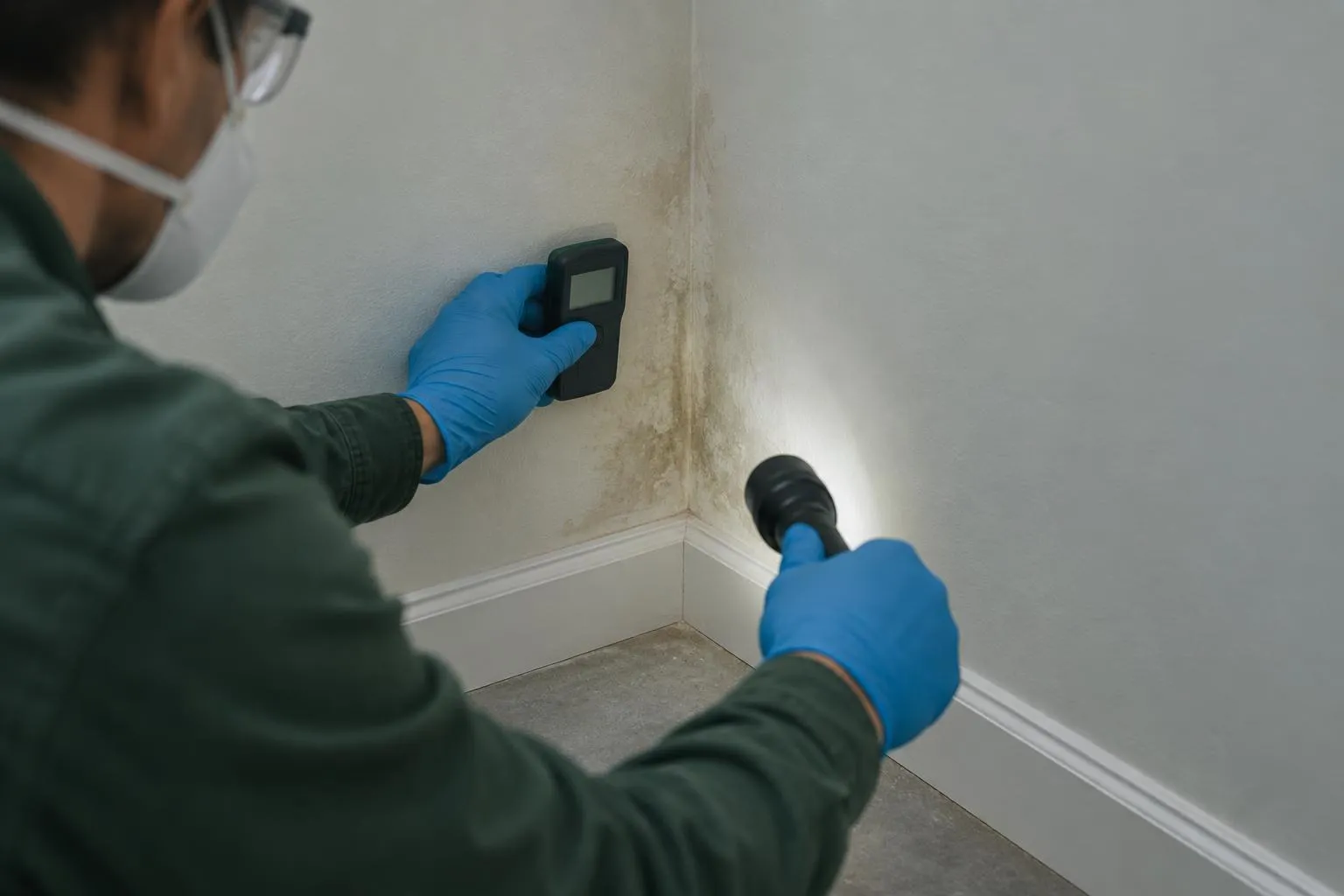
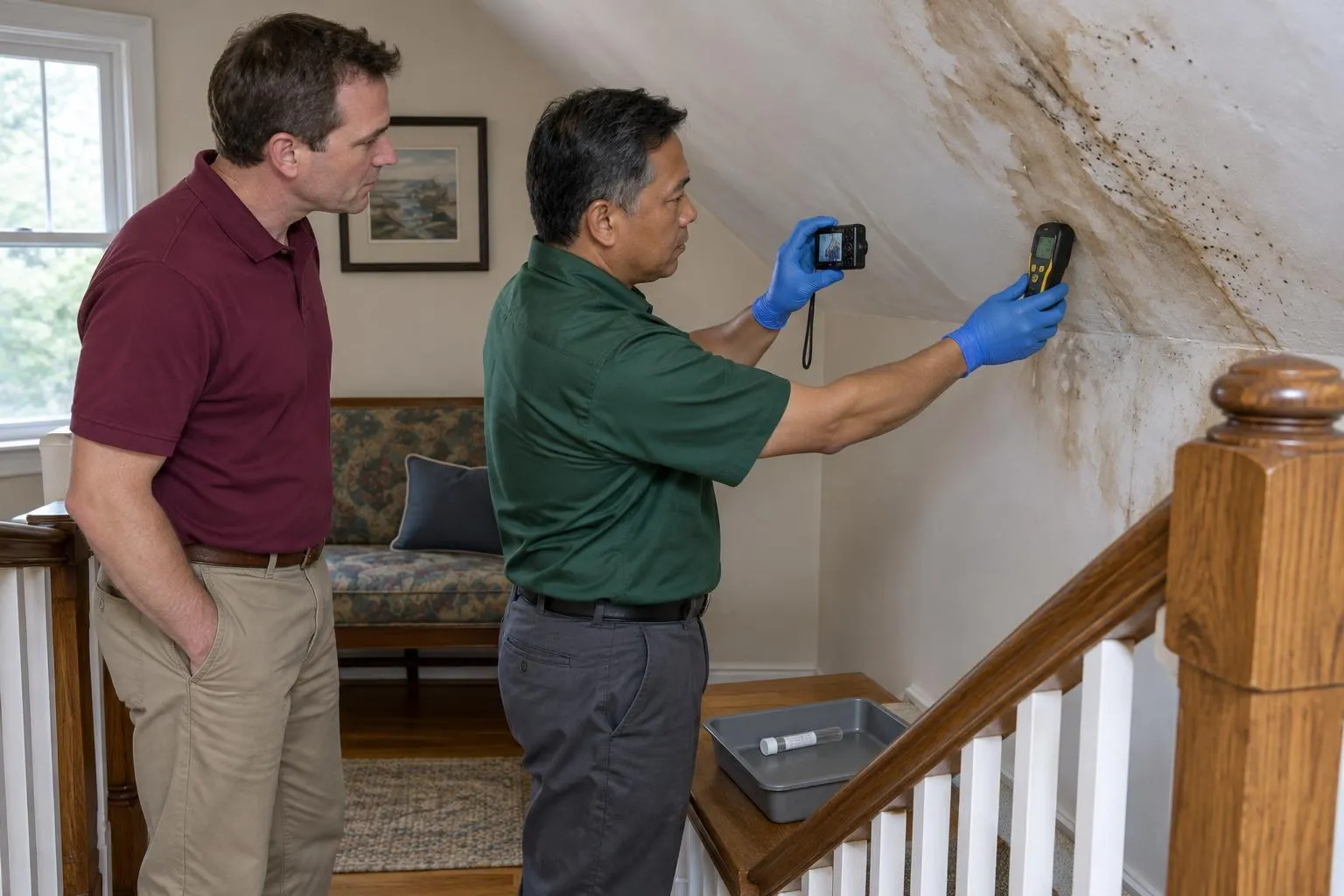
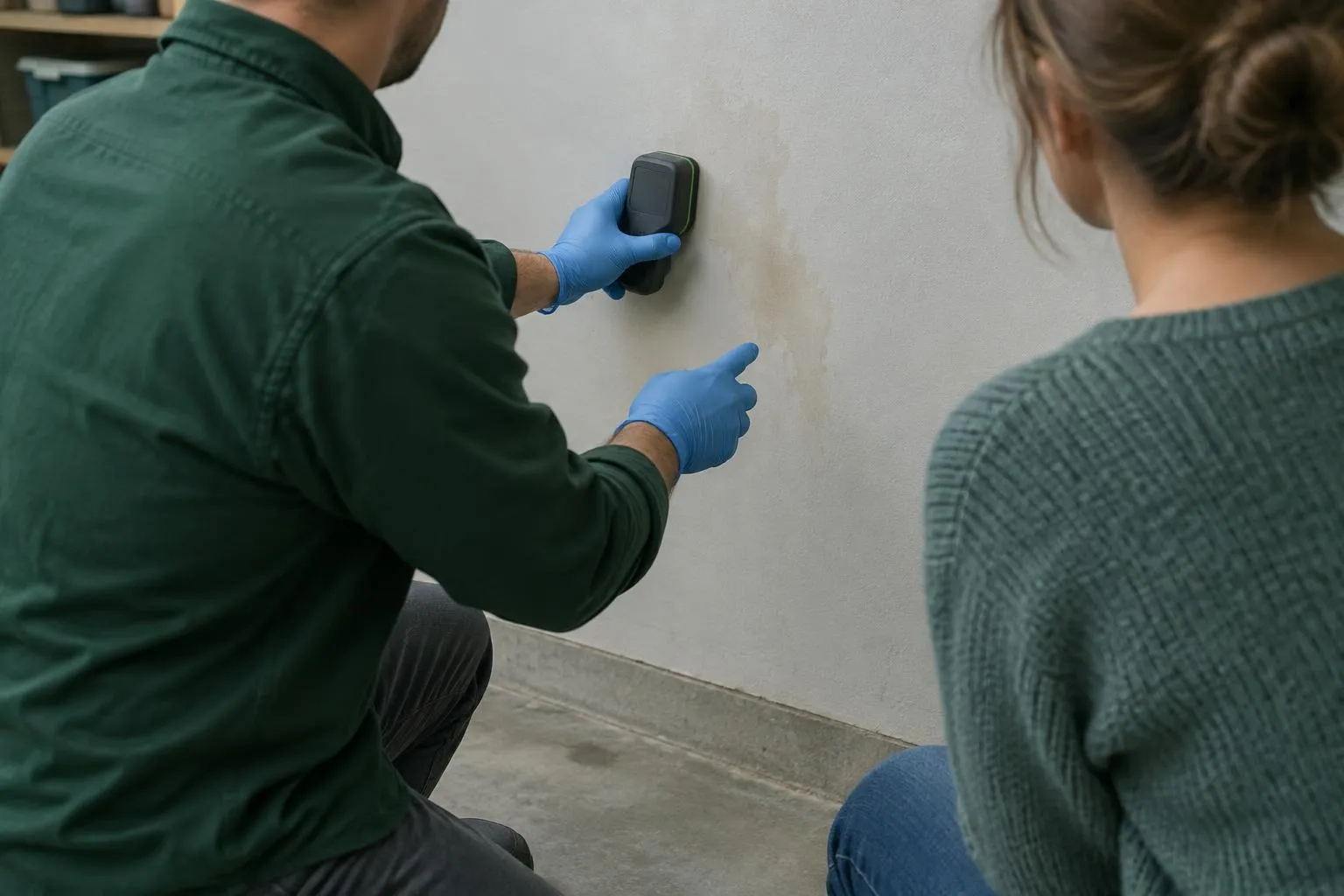
A legitimate mold inspection follows a repeatable protocol:
- Visual inspection of the property, including moisture-prone areas (basements, bathrooms, HVAC systems, crawlspaces)
- Two baseline air samples—one from inside the suspect area, one from outside, to establish comparison
- Optional surface samples if visible growth is suspected (costs more, doubles the price)
- Lab analysis by a certified facility; results come back with species identification and spore counts
- Written report that interprets findings and recommends next steps only if warranted
The catch? Nobody’s legally required to do all five steps. Many “inspectors” skip the lab work entirely, meaning they’re guessing based on what their eyes tell them. That’s fine if you’re buying a 1970s ranch with obvious water stains. It’s a problem if you’ve got a vague smell and need actual evidence.
Chicago’s building stock—lots of older construction, basement-heavy lots, heavy spring rains—makes sampling especially important. You’re not in Phoenix. Visual inspection alone leaves too much uncertainty.
Pro Tip:When you call for an estimate, ask specifically: “Will you collect air samples? Which lab will process them? Will I get a copy of the lab report?” If they hesitate on any of these, keep calling. Legacy Inspection Group and Mold Pro Chicago both emphasize certified sampling as baseline.
Pricing Reality: What You’ll Actually Pay
Let’s cut through the noise:
| Service | Typical Cost | What’s Included | Red Flag |
|---|---|---|---|
| Visual inspection only | $150–$250 | Walk-through, moisture meter, photos | No lab work; incomplete |
| Inspection + 2 air samples | $250–$350 | Visual + baseline sampling + lab analysis | Standard; what you want |
| Inspection + surface samples | $400–$600 | Visual + air + targeted swabs | Higher cost; justified if visible growth |
| Full inspection + remediation quote | $300–$1,200 | Inspection bundled with removal estimate | Conflict of interest; get separate bids |
| Remediation (average project) | $1,500–$3,000 | Containment, removal, disposal | Excludes HVAC cleaning or structural repairs |
Nobody in Chicago is quoting 2026 prices yet—the market’s running 2024–2025 rates. But inflation hasn’t hit hard, and competition keeps quotes honest. If someone’s at the high end of any range above, ask why. If they can’t justify it, move on.
Reality Check:Mold remediation at $15–$30 per square foot sounds scary until you do the math. A 1,500 sq. ft. basement at $20/sq. ft. is $30,000—but that assumes full removal. Most projects hit $1,500–$3,000 because the affected area is smaller or the contamination is surface-level. Get multiple quotes. Disagree sharply? That’s when a second inspection makes sense.
The Best Mold Inspectors in Chicago (By Type)
Inspection-Only Gold Standard:
- Mold Inspection & Testing (MI&T) — 312-583-7576, 230 S. Lasalle St, Chicago, IL 60606. No remediation conflict. Lab-verified. Serves metro and beyond. This is the baseline you’re comparing everyone else against.
Full-Service (Inspection + Remediation, But Transparent):
- HouseDoctors Property Inspections — 312-504-2200, Chicago, IL 60605. Bundles home inspection, radon, and mold. Not inspection-only, but established and BBB-present.
- Mold Pro Chicago — Family-owned, serves Chicago and Northern IL. Emphasizes honest results; will do both inspection and removal but transparent about scope.
Specialized/Neighborhood Players:
- Legacy Inspection Group — Certified sampling focus; precise identification.
- Chicago Asbestos and Mold Professionals LLC — 773-914-5106, Chicago, IL 60632. Dual expertise in mold and asbestos (relevant for older buildings).
- Green Environmental Technologies — 3254 N Kilbourn Ave, Chicago, IL 60641. Asbestos and mold testing bundled.
Not Your Average Mold Guys — Known for thorough inspections and safe remediation protocols.
All of these show up on Angi, HomeGuide, or Thumbtack with strong ratings (5/5 average on Angi). But ratings alone don’t tell you if they’re pushing unnecessary work. Ask for references where they didn’t recommend remediation.
The Conflict-of-Interest Question Every Homeowner Misses
Here’s the move: After you get an inspection report recommending $5,000 in remediation, call a second inspector—preferably one that doesn’t offer remediation. Tell them what the first inspector found. If the second firm (inspection-only) agrees with the diagnosis, you’ve got validation. If they disagree, you’ve just saved yourself a major mistake.
This costs an extra $250–$350 and feels paranoid until you realize that post-water-damage repairs, the mold industry’s second-biggest revenue source is people paying to remove mold that didn’t actually need removing.
Key Criteria When You’re Calling
Ask these four questions, write down the answers:
- “Do you do remediation?” If yes, ask why they bundle. If no, you’ve found an unbiased shop.
- “Which lab processes your samples?” Accredited labs (AIHA-certified) exist. Unaccredited ones don’t. Ask for the lab name; call them to confirm.
- “Can I get a copy of the raw lab report?” Yes is the only acceptable answer.
- “What’s your estimate, and what does it include?” Get it in writing. If they won’t write it, they’re being intentionally vague.
Pro Tip:Chicago’s high humidity means mold isn’t rare—it’s normal. The question isn’t “Is there mold?” but “Is there enough mold to matter?” A competent inspector tells you the difference. A salesperson doesn’t.
Practical Bottom Line
If you’ve got a water event (burst pipe, roof leak, flooding): Call an inspection-only firm immediately. Don’t wait. Mold moves fast, and you need lab-verified data before deciding on remediation. Budget $300, get the report, then decide.
If you’re buying a property or doing a pre-sale inspection: Bundle mold into a comprehensive home inspection if the inspector is reputable (HouseDoctors, Xperience). If results are borderline, get a second opinion from MI&T or an inspection-only firm.
If you smell something funky but see no obvious damage: This is where air sampling earns its cost. Visual inspection will miss hidden moisture in walls or HVAC systems. Spring for the samples ($250–$350). It’s cheaper than tearing apart your attic.
Next step: Browse the Chicago mold inspectors directory for local contacts, or dig into the Complete Guide to Mold Inspectors if you want the national context and credential breakdown.
The short version: You’re looking for someone with no financial incentive to lie to you. In Chicago’s competitive market, those firms exist—you just have to ask the right questions to find them.
Done reading? Get quotes from mold inspectors in Chicago.
Takes about a minute. Free, no obligation; providers reply to you directly.
Popular cities:
Nick built this directory to help homeowners find credentialed mold inspectors without wading through contractors who mostly want to sell remediation — a conflict of interest he ran into when trying to assess his own home after a plumbing leak.