

Office location not published
Service area: “CHICAGOLAND”
Published service area ↗Compare curated mold inspectors, check certifications, read reviews, and request quotes — all in one place.
Map shows providers with a known office location. All providers are listed below.
No providers match this filter.
Providers with an office in the Chicago area, matched by the ZIP code of their published address.
Based outside the Chicago area, with Chicago named in the service area on their own website.
Office location not published
Service area: “CHICAGOLAND”
Published service area ↗Office location not published
Service area: “Chicago and Chicagoland's Most Reliable Mold Removal Company”
Published service area ↗Also in Illinois: Peoria area (1), Western IL area (1)
Need help choosing? Get matched with top providers in seconds.
0 providers selected
Are you a mold inspector in Chicago? Already listed here: Chicago Asbestos and Mold Professionals LLC, Environmental Solutions Group, Inc., EPSCO and 16 more.
List your businessView curated providers, check certifications, and read real client reviews.
Select up to 5 providers and send your project details. Free, no obligation.
Compare quotes, check availability, and book directly with the provider.
Hiring a mold inspector in Chicago is like finding a plumber at 11 PM on a Sunday — you need one now, the stakes are real (your house, your lungs, your resale value), and you have maybe 20 minutes to figure out who’s legit. The problem: Illinois doesn’t require state licensure for mold inspectors, which means the field runs the full spectrum from forensic-level professionals with 15 years of lab work to contractors who took a weekend course and bought a moisture meter. This directory cuts through that noise and connects you with vetted inspectors in Chicago who have actual credentials, real experience, and a track record of reports that insurance companies and real estate attorneys actually respect.
Look for credentials first. The heavy hitters carry CMI (Certified Mold Inspector) or ACAC certification — that’s CMC (Council-certified Microbial Consultant) or CMRS (Council-certified Microbial Remediation Supervisor). These aren’t rubber stamps. CMI requires ongoing education, documented experience, and passing exams. ACAC credentials mean the inspector has been vetted by a third party with teeth. If their website doesn’t mention credentials, keep scrolling.
Verify they do air and surface sampling. A proper mold inspection isn’t just a visual walkthrough with a moisture meter. It includes air sampling (baseline readings of your home vs. the outdoor environment) and surface swabs sent to an independent lab. If they’re not doing lab work, they’re doing a guess. Insist on reports from accredited labs like EMSL or similar — not the inspector’s in-house lab.
Ask about moisture mapping. Chicago’s climate is brutal on building envelopes — humidity spikes in summer, freeze-thaw cycles in winter, and Lake Michigan air breeds moisture problems in older homes and basements. A real inspector will use thermal imaging or moisture meters to find hidden moisture before mold blooms. This is how they spot problems behind walls.
Expect 2–4 hours on-site. If someone promises a full inspection in 45 minutes, they’re not doing the work. Proper inspections include interior and exterior assessment, basement and attic crawls, HVAC ductwork review, and detailed documentation.
Pro Tip: Ask if they work with your real estate attorney or insurance company. Chicago’s legal and insurance markets are mature — inspectors who regularly interface with attorneys and adjusters tend to produce reports that hold up under scrutiny.
Pricing runs $200–$800 per inspection, depending on square footage, the extent of sampling, and whether you need a follow-up report after remediation. A standard residential inspection (around 2,000 sq ft) with air and surface samples typically lands in the $400–$600 range. Larger homes, commercial properties, or post-remediation clearance inspections cost more.
Turnaround is usually 5–10 business days from the time samples are collected to when you get a written report. The lab work takes time — they’re culturing samples, identifying species, and counting spore counts. If someone promises results in 48 hours, they’re either not actually testing or they’re using a lab that cuts corners.
Reality Check: Don’t hire based on price alone. A $150 inspection that misses a moisture problem in your crawl space costs you $5,000 in remediation later. The cheapest inspector is often the one who didn’t look hard enough.
Chicago’s older housing stock — brownstones, vintage condos, century homes — means moisture intrusion is endemic. The Illinois state line sits 30 miles south, and inspection standards vary wildly across state borders, so hiring someone familiar with Chicago’s specific building codes and common failure points (basement seepage, flat-roof leaks, HVAC condensation) matters. Use this directory to find inspectors who know the city’s quirks and have the credentials to back it up.
Mold Inspector services in Chicago typically run $200-800 per inspection, depending on scope, complexity, and turnaround requirements. Expedited work and specialized equipment add cost.
Look for CMI — it's the credential that separates qualified mold inspectors from the rest. Also verify insurance, check reviews, and confirm they can handle your project's specific requirements.
There are currently 19 mold inspectors listed in Chicago, IL on MoldRegistry.
Sponsored providers pay for more prominent placement on pages where they already qualify to appear. Payment does not change a provider's location, credentials or reviews, and it is not an endorsement. All providers on MoldRegistry — sponsored or not — are real businesses.

Find vetted mold inspector experts in Chicago who won't upsell you. See pricing, protocols, and how to spot conflicts of interest.
mold inspector costs $300–$700 on average. See exactly what affects pricing, why quotes vary wildly, and how to avoid overpaying.
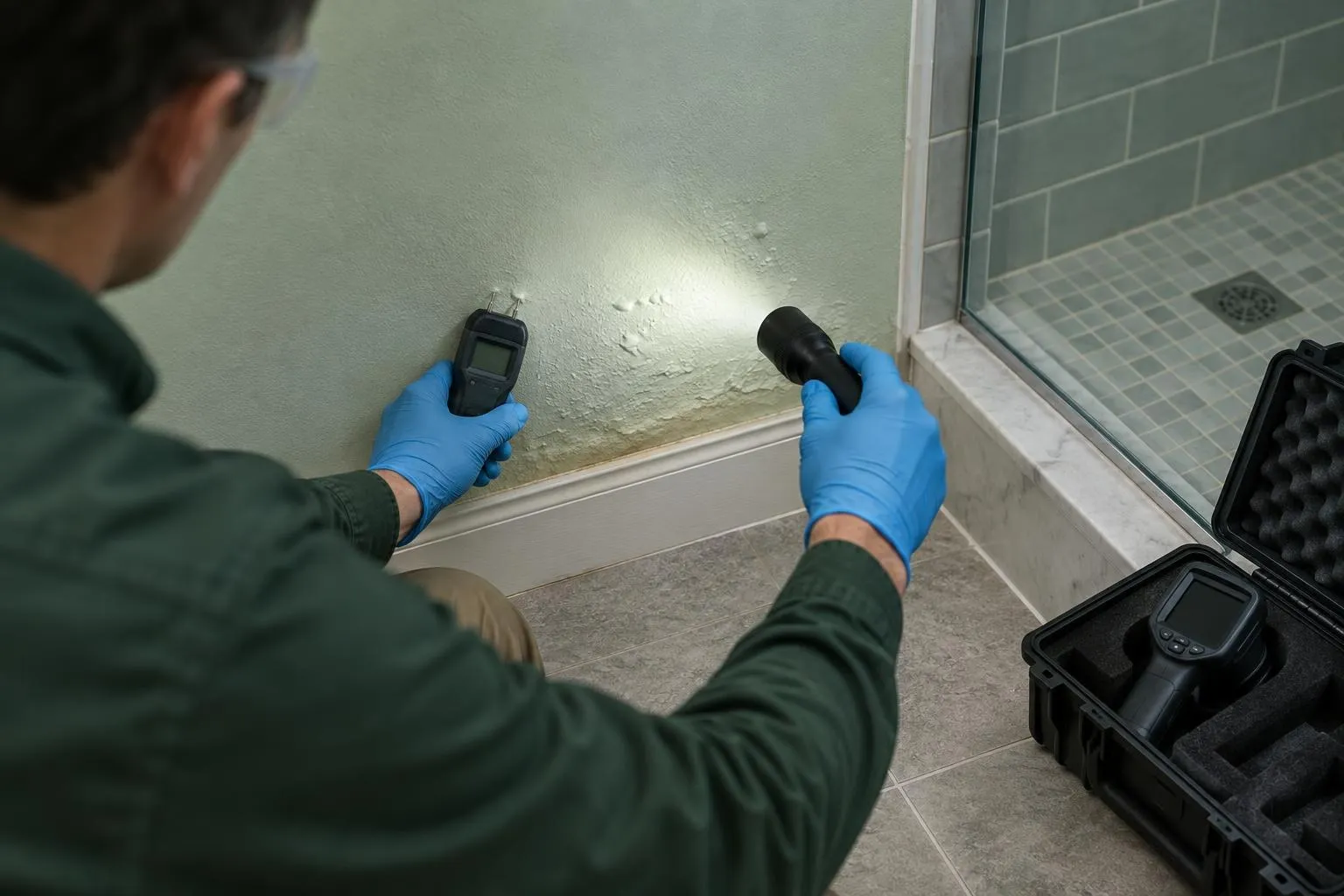
Over 50% of buildings have mold issues. A mold inspector mistake could cost thousands. See 9 critical errors that miss hidden mold—and how to avoid them.
Looking for more? Browse our full resource library or find mold inspectors in other cities.