

Office location not published
Service area: “Unbiased Mold Testing provides independent mold testing services in Washington, DC.”
Published service area ↗Compare curated mold inspectors, check certifications, read reviews, and request quotes — all in one place.
Map shows providers with a known office location. All providers are listed below.
No providers match this filter.
Providers with an office in the Washington area, matched by the ZIP code of their published address.
Based outside the Washington area, with Washington named in the service area on their own website.
Office location not published
Service area: “Unbiased Mold Testing provides independent mold testing services in Washington, DC.”
Published service area ↗Need help choosing? Get matched with top providers in seconds.
0 providers selected
Are you a mold inspector in Washington? Already listed here: Barex Restoration, DMV Mold, DMV Radon and 11 more.
List your businessView curated providers, check certifications, and read real client reviews.
Select up to 5 providers and send your project details. Free, no obligation.
Compare quotes, check availability, and book directly with the provider.
Finding a qualified mold inspector in Washington, D.C. shouldn’t feel like defusing a bomb in your living room, but right now it does. You’re looking at a city of nearly 690,000 people—many living in 19th-century rowhouses with plumbing systems held together by hope and asbestos tape—and there’s no shortage of inspectors willing to slap a report together in an afternoon. The trick is finding someone who actually knows how to read a building, can spot the difference between cosmetic surface mold and systemic moisture damage, and won’t sell you unnecessary remediation work you don’t need. This directory cuts through that noise.
Look for credentials, not just years in business. A real mold inspector holds a CMI (Certified Mold Inspector) through an accredited body, or an ACAC CMC/CMRS certification—these require exam passage and ongoing training. Someone’s been doing “mold work” for 12 years but has no credentials? Red flag. Washington D.C. doesn’t license mold inspectors at the state level, which means the credential gatekeeping falls to professional organizations. Use it.
Ask about their lab relationships. They should send samples to an accredited, independent third-party lab—not an in-house operation or a lab they own. If they’re collecting the samples and testing the samples and writing your remediation bid, you have a conflict of interest the size of the National Mall. A good inspector will name their lab upfront and let you verify accreditation.
Verify they do moisture mapping, not just visual inspection. A competent inspection includes a moisture meter or thermal imaging to track where water is actually hiding—in walls, under flooring, in HVAC systems. D.C.’s humidity and aging infrastructure mean moisture problems are structural problems. If someone quotes you $300 and doesn’t mention moisture mapping, they’re cutting corners.
Check for air and surface sampling protocols. Not every job needs both—sometimes a visual inspection is all you need. But they should explain why they’re recommending (or skipping) sampling in your specific situation. A cookie-cutter approach is a bad sign.
Pro Tip: Get three quotes. You’re not looking for the cheapest—you’re looking for the one who asks the most detailed questions about your building’s history, water events, and symptoms. The inspector who spends 20 minutes on the phone before quoting is the one who’s thinking.
A mold inspection in Washington typically runs $300–$600 for a residential property, with air/surface sampling adding $150–$400 depending on scope. Most inspectors turnaround a report within 5–10 business days; if they promise 24 hours, assume they’re rushing. The process involves a site walkthrough (1–2 hours), documentation of visible growth or moisture, equipment readings, and sample collection if needed. You’ll get a written report identifying any mold species present (via lab results), the extent of affected area, probable moisture source, and remediation recommendations.
Reality Check: Watch out for “mold removal” inspectors who estimate remediation costs in the same breath as the inspection. They have a financial incentive to find problems and overstate severity. Your inspector should identify the problem and recommend a protocol. Execution is a contractor’s job.
Washington’s building stock—historic row houses, older apartment blocks, federal buildings with complex mechanical systems—creates a unique pressure on moisture management. Flat roofs, inadequate ventilation, and deferred maintenance mean water intrusion is common. The district’s licensing requirements for contractors don’t extend to mold inspectors, which means your due diligence on credentials is non-negotiable. A qualified inspector familiar with D.C.’s specific architectural and climate quirks is worth every dollar.
Mold Inspector services in Washington typically run $200-800 per inspection, depending on scope, complexity, and turnaround requirements. Expedited work and specialized equipment add cost.
Look for CMI — it's the credential that separates qualified mold inspectors from the rest. Also verify insurance, check reviews, and confirm they can handle your project's specific requirements.
There are currently 14 mold inspectors listed in Washington, DC on MoldRegistry.
Sponsored providers pay for more prominent placement on pages where they already qualify to appear. Payment does not change a provider's location, credentials or reviews, and it is not an endorsement. All providers on MoldRegistry — sponsored or not — are real businesses.
Find certified, independent mold inspectors: what to expect, how much to pay ($300–$700), and red flags to avoid before hiring.
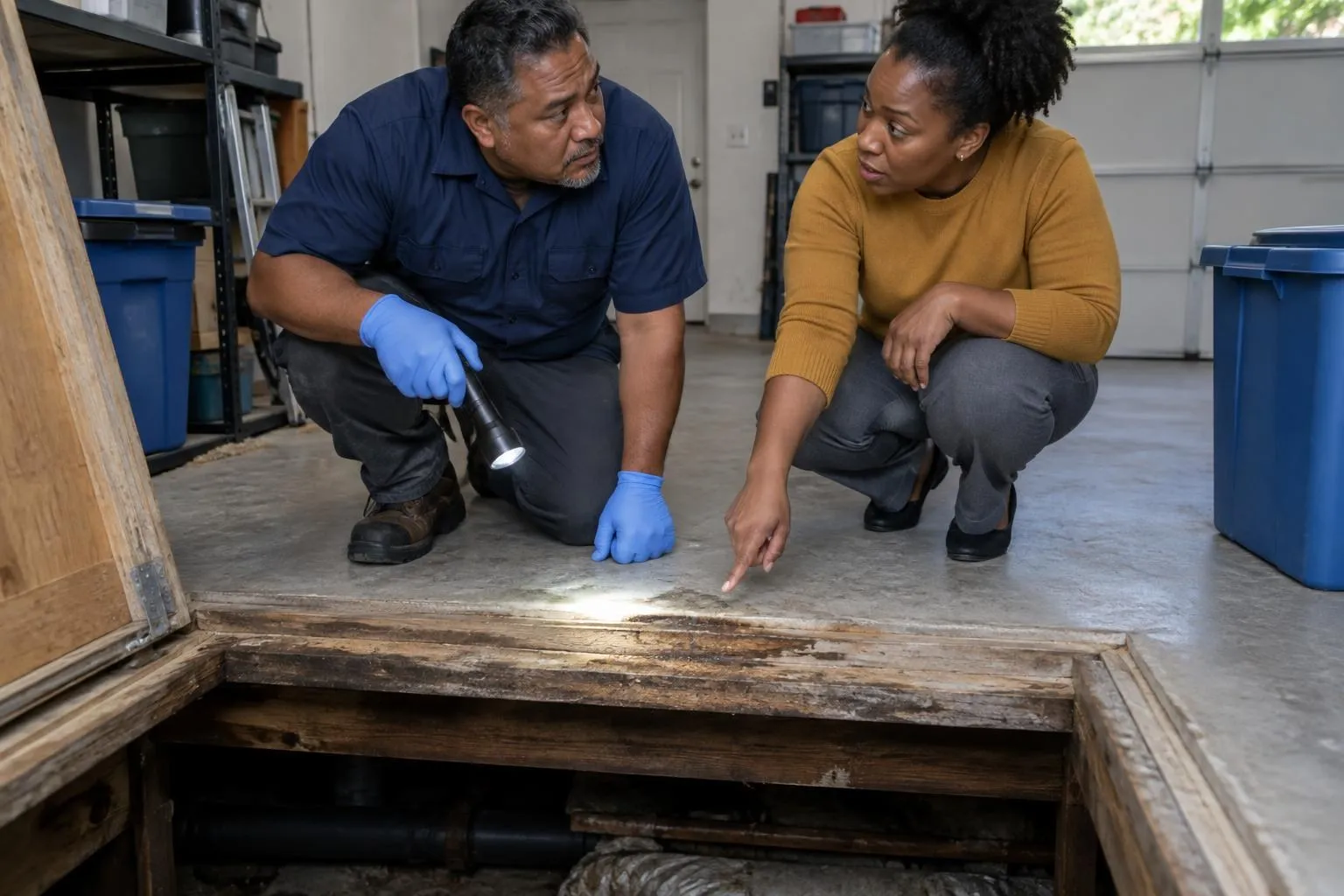
Prepare for your mold inspector visit with this homeowner's checklist to catch problems pros might miss and cut inspection time in half.
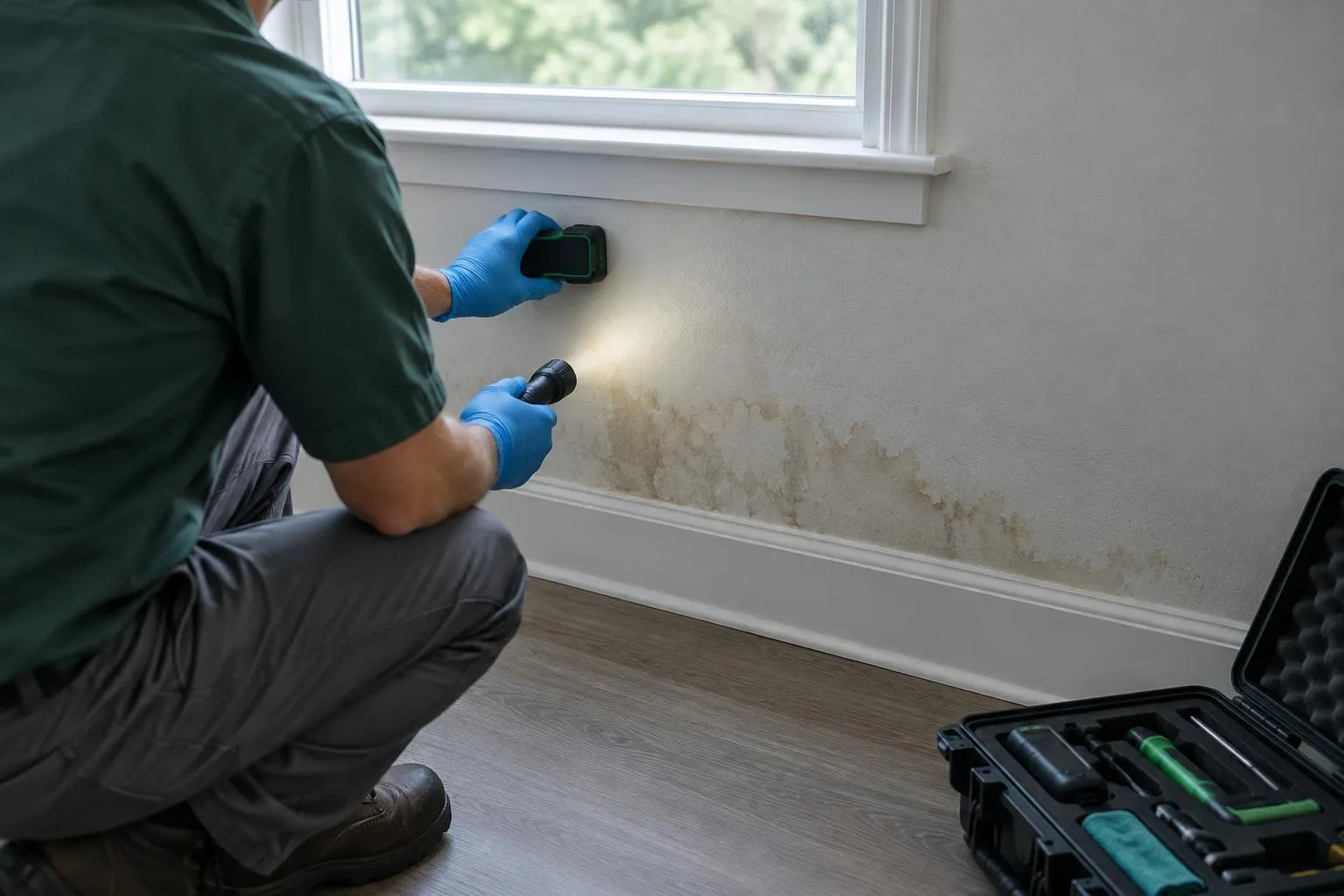
Hiring a freelance mold inspector saves thousands by avoiding inflated assessments. Learn why independence matters more than convenience.
Looking for more? Browse our full resource library or find mold inspectors in other cities.