

Office location not published
Service area: “mold assessment in Raleigh, NC”
Published service area ↗Compare curated mold inspectors, check certifications, read reviews, and request quotes — all in one place.
Map shows providers with a known office location. All providers are listed below.
No providers match this filter.
Providers with an office in the Raleigh / Durham / CH area, matched by the ZIP code of their published address.
Based outside the Raleigh area, with Raleigh named in the service area on their own website.
Office location not published
Service area: “mold assessment in Raleigh, NC”
Published service area ↗Also in North Carolina: Asheville area (2), Fayetteville area (1), Wilmington area (1)
Need help choosing? Get matched with top providers in seconds.
0 providers selected
Are you a mold inspector in Raleigh? Already listed here: Certified Indoor Air, Glover Environmental, Homeworks Environmental and 2 more.
List your businessView curated providers, check certifications, and read real client reviews.
Select up to 5 providers and send your project details. Free, no obligation.
Compare quotes, check availability, and book directly with the provider.
Finding a qualified mold inspector in Raleigh shouldn’t feel like a forensics investigation. You’ve got a wet basement, a suspicious ceiling stain, or you’re three days from closing on a house and the appraisal flagged “possible moisture issues” — and suddenly you’re texting random companies with “MOLD?” in the subject line, hoping one of them actually knows what they’re doing. The problem: Raleigh’s construction boom and humidity climate have created demand that outpaces legitimate credentials. Half the people calling themselves mold inspectors are really just contractors with a moisture meter and a business license.
This directory cuts through that noise. Below are vetted professionals in Raleigh who carry real certifications, run documented protocols, and will charge you fairly for what amounts to detective work on your property.
Verify credentials immediately. Look for CMI (Certified Mold Inspector), ACAC CMC (Council-certified Microbial Consultant), or IAC2 certification. These aren’t gatekeeping—they require training, exams, and liability insurance. If someone won’t cite their credential when you ask, that’s your signal to move on. North Carolina doesn’t mandate inspector licensing (yet), so credentials are your only hard baseline.
Ask about their testing protocol. A legit inspection includes visual assessment, moisture mapping with a calibrated meter, and lab-verified air or surface sampling. If they’re just looking around with their eyes and quoting you a price, they’re guessing. The lab work costs extra ($100–300), but it’s the difference between “might be mold” and “here’s the species and concentration.”
Check for local water damage patterns. Raleigh’s humid subtropical climate means basement moisture and roof leaks are endemic. A good inspector will know which neighborhoods deal with clay soil drainage issues, which developments have known HVAC condensation problems, and where flood zones overlap with neighborhoods. This local knowledge matters—it shapes their diagnostic questions.
Get at least two inspections if you’re in a purchase situation. Your real estate agent’s recommended inspector has financial incentive to keep things moving. A second opinion from someone with no skin in the closing date costs $200–400 and can save you thousands in remediation. This is not paranoia; this is how due diligence works.
Pro Tip: Before calling, know what triggered your concern. “The basement smells musty” is different from “there’s visible growth on drywall” is different from “my kid’s asthma got worse after the water heater leaked.” Inspectors will ask these questions anyway, but having the answer ready tells them you’re serious and helps them scope the job.
A standard mold inspection runs $200–$800 depending on property size, accessibility, and whether sampling is included. A 2,000-square-foot home with straightforward moisture concerns will typically fall in the $300–500 range. If you need multiple rooms sampled or air quality testing, expect the higher end. Most inspectors turnaround reports in 5–7 business days; labs take another 3–5 days for results.
The deliverable is a written report detailing what was found, where it’s located, what species it likely is (based on lab results), the probable moisture source, and a remediation protocol—which usually goes to your contractor, not back to the inspector.
Reality Check: Cheaper isn’t better here. A $150 inspection from someone without certifications is a liability trap. You’ll either get a vague report that doesn’t help you negotiate repairs, or miss a real problem entirely. Pay for credentials and clarity.
Raleigh’s real estate market moves fast, and water intrusion claims are climbing alongside new construction and aging HVAC systems in older neighborhoods like Five Points and Ridgewood. If you’re buying in North Carolina, many lenders now require mold clearance post-inspection if any moisture is detected—so having a certified professional on your team isn’t optional, it’s structural.
Mold Inspector services in Raleigh typically run $200-800 per inspection, depending on scope, complexity, and turnaround requirements. Expedited work and specialized equipment add cost.
Look for CMI — it's the credential that separates qualified mold inspectors from the rest. Also verify insurance, check reviews, and confirm they can handle your project's specific requirements.
There are currently 5 mold inspectors listed in Raleigh, NC on MoldRegistry.
Sponsored providers pay for more prominent placement on pages where they already qualify to appear. Payment does not change a provider's location, credentials or reviews, and it is not an endorsement. All providers on MoldRegistry — sponsored or not — are real businesses.
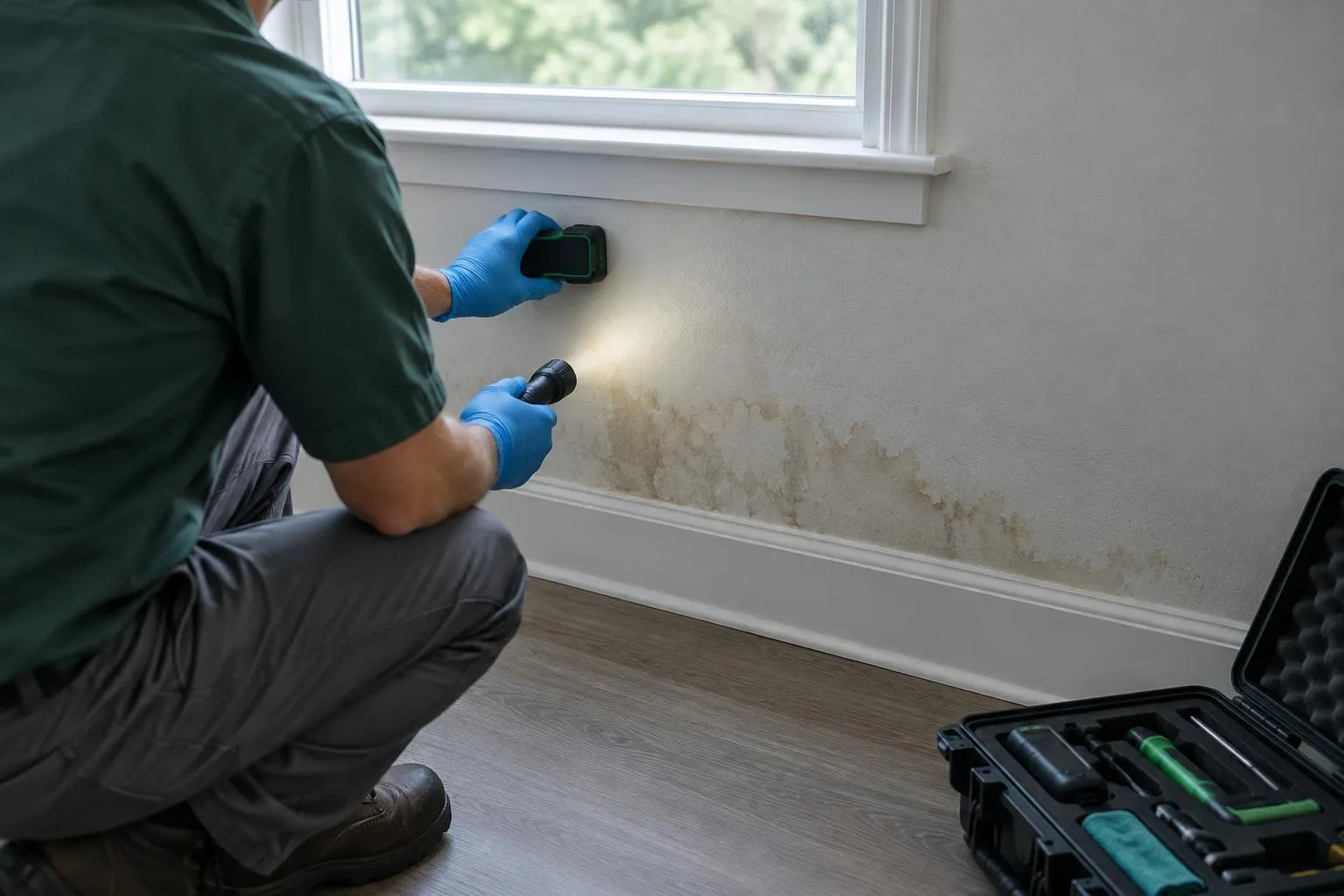
Hiring a freelance mold inspector saves thousands by avoiding inflated assessments. Learn why independence matters more than convenience.
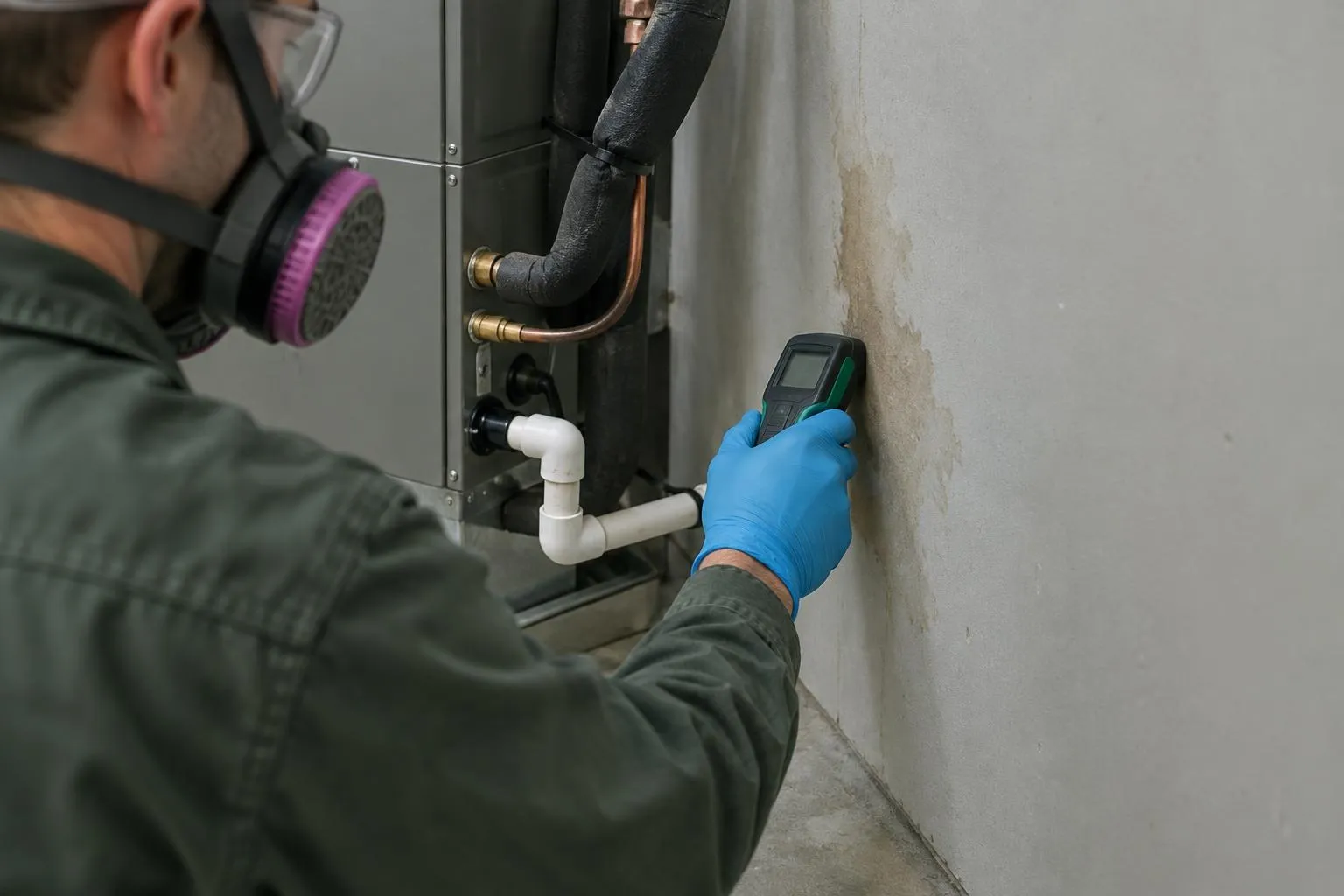
ACAC-certified mold inspectors outperform uncertified ones—here's why credentials and experience matter for your home's safety.
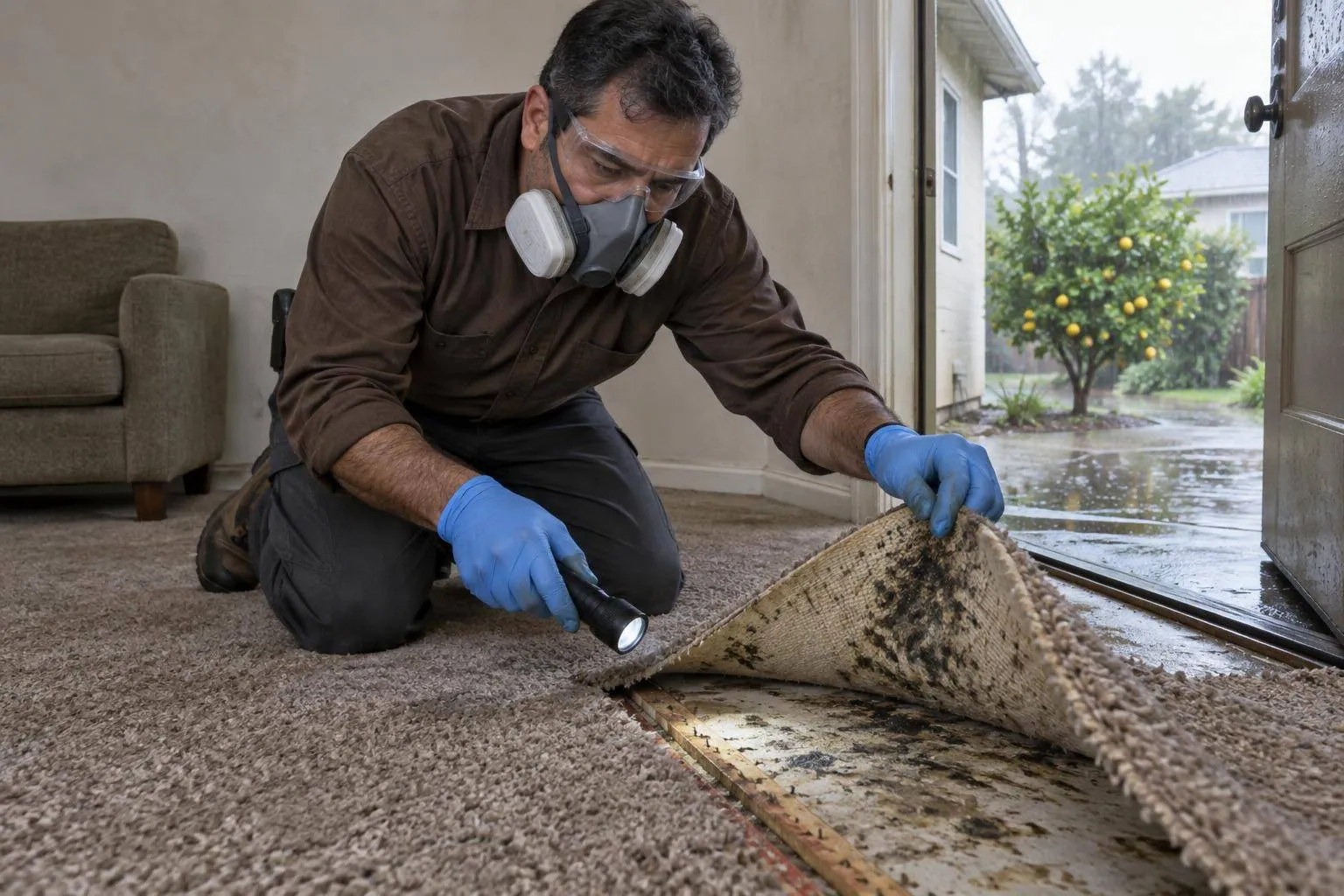
Mold inspectors earn $38k–$67k annually, but commissions can reach $259k. See the real salary breakdown by location and experience level.
Looking for more? Browse our full resource library or find mold inspectors in other cities.