

Office location not published
Service area: “Professional Mold Testing, Mold Inspections & Mold Remediation for New Jersey, Greater Philadelphia & Delaware”
Published service area ↗Compare curated mold inspectors, check certifications, read reviews, and request quotes — all in one place.
Map shows providers with a known office location. All providers are listed below.
No providers match this filter.
Providers with an office in the Philadelphia area, matched by the ZIP code of their published address.
Based outside the Philadelphia area, with Philadelphia named in the service area on their own website.
Office location not published
Service area: “Professional Mold Testing, Mold Inspections & Mold Remediation for New Jersey, Greater Philadelphia & Delaware”
Published service area ↗Also in Pennsylvania: Lancaster area (3), Reading area (2), Lehigh Valley area (1)
Need help choosing? Get matched with top providers in seconds.
0 providers selected
Are you a mold inspector in Philadelphia? Already listed here: AAA Lead Professionals PA, Advantage Mold, All Seasons Home Inspections and 8 more.
List your businessView curated providers, check certifications, and read real client reviews.
Select up to 5 providers and send your project details. Free, no obligation.
Compare quotes, check availability, and book directly with the provider.
Finding a qualified mold inspector in Philadelphia shouldn’t feel like a forensics investigation. Yet most homeowners either get quoted wildly different prices, hire someone with zero credentials, or end up waiting weeks for a report that reads like it was written by a bot. The city’s old housing stock, humid summers, and aging infrastructure mean mold problems are common—and the people claiming to fix them aren’t always who they say they are. This directory cuts through the noise and connects you with credentialed professionals who actually know what they’re looking for.
Look for legitimate credentials. CMI (Certified Mold Inspector) from IICRC, ACAC CMC (Council-certified Microbial Consultant), or ACAC CMRS are the real deal. These require study, exams, and ongoing education—not an online course you finish over lunch. Anyone calling themselves a “mold expert” without one of these? Red flag.
Insist on third-party lab work. A visual inspection tells you where mold might be. Lab testing tells you what it is and how bad it actually is. If an inspector offers to handle both the sampling and the lab analysis in-house, they have a conflict of interest. Independent labs cost money, but that’s exactly why you want them involved.
Ask about moisture mapping. Mold doesn’t appear without moisture—it’s always a symptom of a deeper problem. A competent inspector should identify the source (roof leak, foundation crack, plumbing failure), not just the mold colony. Pennsylvania’s freeze-thaw cycles and Philadelphia’s aging rooflines mean water intrusion is common; you need someone who understands that.
Check their process timeline. A solid inspection takes 2–4 hours depending on the building’s size. Lab results typically come back in 5–7 business days. Anyone promising same-day results or a full report in 24 hours is either overconfident or cutting corners.
Pro Tip: Call your home inspector before hiring a mold inspector. Many home purchase inspections flag potential moisture issues or visible mold. Mold inspectors can dig deeper into those flags—it saves money and gives you specifics.
A mold inspection runs $200–$800 depending on the building’s square footage, number of areas tested, and whether lab work is included. Most residential inspections fall in the $300–500 range for a single-family home with air and surface sampling. The inspector will spend time in your crawlspace, attic, and basement—places that trap moisture. They’ll document findings with photos and moisture meter readings, collect samples if warranted, and send them off to a third-party lab certified by AIHA or similar. You’ll get a report within a week that names the mold species, quantifies the extent, identifies the source, and recommends remediation steps.
Reality Check: Cheap inspections often skip lab work. You’ll get a visual report (“mold observed in attic”) without the specifics you need to actually address it. That report won’t hold up if you’re negotiating repairs with a seller or making insurance claims. Pay for the full workup.
Philadelphia’s housing is old—median home built in 1958—which means basements, crawlspaces, and roof systems that have seen decades of stress. The city’s zoning rules and historic district protections mean remediation can get complicated; you need an inspector who understands both the mold itself and why fixing it might require permits or contractor coordination. Pennsylvania also has specific requirements around indoor air quality documentation, especially in commercial spaces and multi-unit buildings. A credentialed Philadelphia inspector will know those rules cold.
Mold Inspector services in Philadelphia typically run $200-800 per inspection, depending on scope, complexity, and turnaround requirements. Expedited work and specialized equipment add cost.
Look for CMI — it's the credential that separates qualified mold inspectors from the rest. Also verify insurance, check reviews, and confirm they can handle your project's specific requirements.
There are currently 11 mold inspectors listed in Philadelphia, PA on MoldRegistry.
Sponsored providers pay for more prominent placement on pages where they already qualify to appear. Payment does not change a provider's location, credentials or reviews, and it is not an endorsement. All providers on MoldRegistry — sponsored or not — are real businesses.
Find certified, independent mold inspectors: what to expect, how much to pay ($300–$700), and red flags to avoid before hiring.
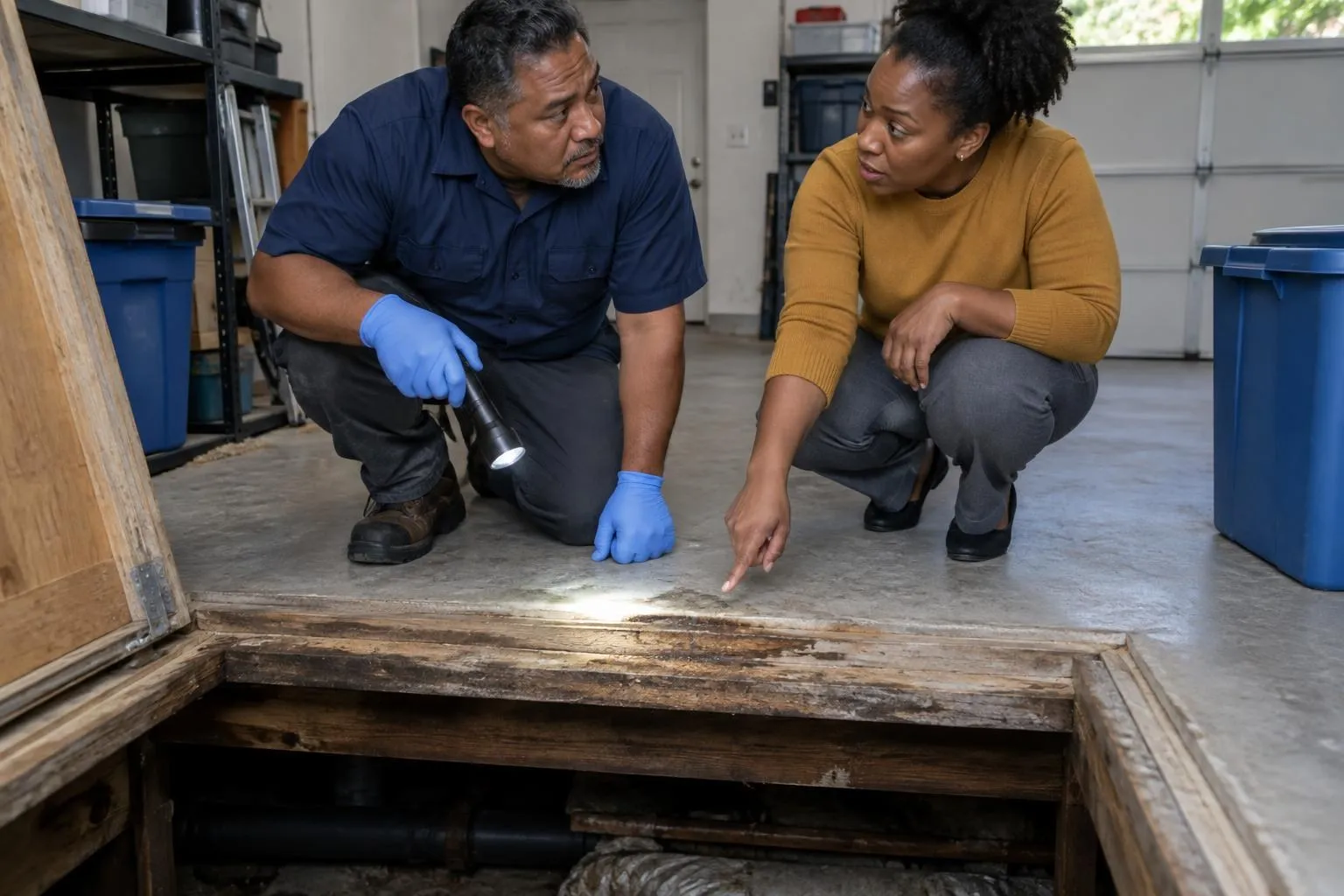
Prepare for your mold inspector visit with this homeowner's checklist to catch problems pros might miss and cut inspection time in half.
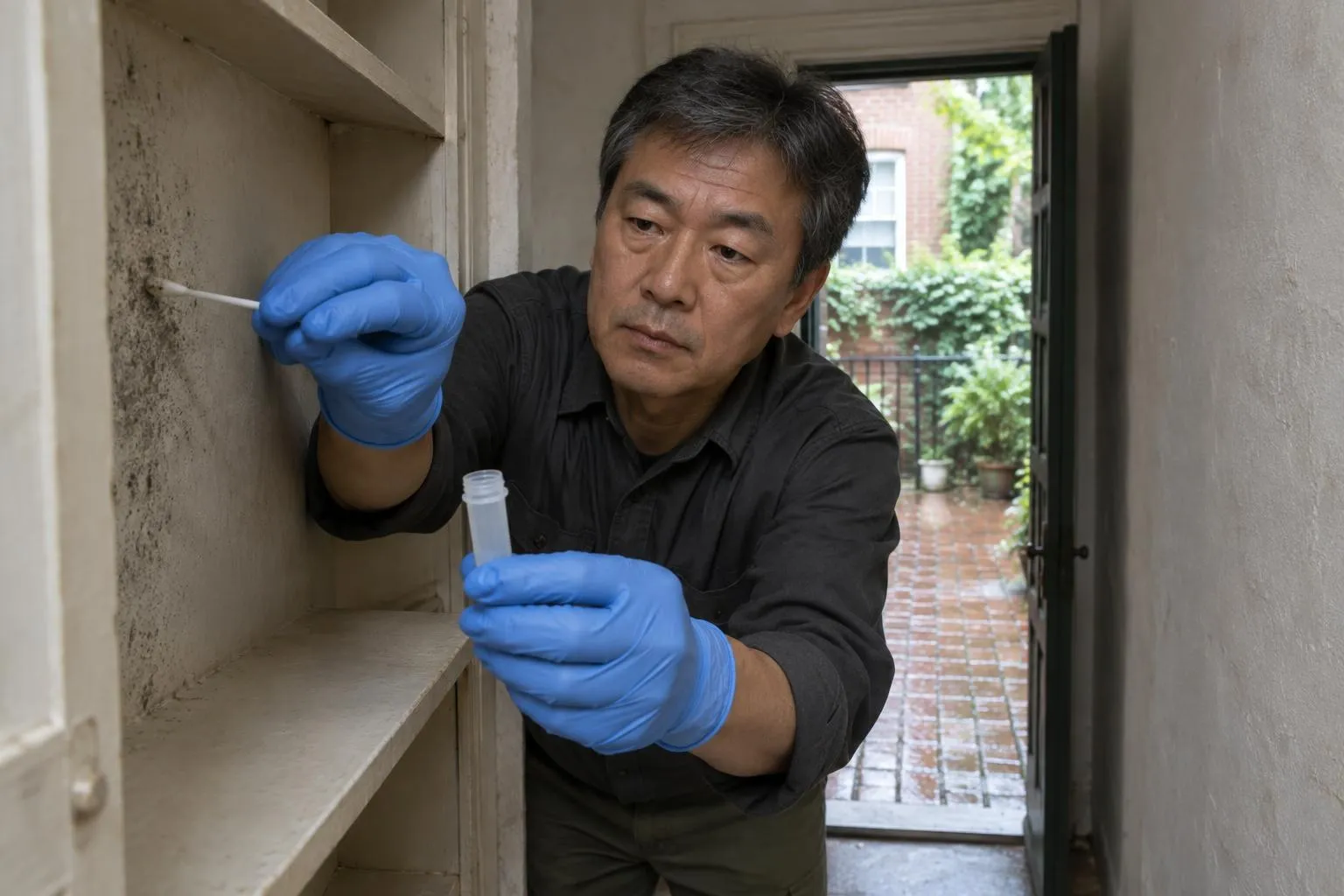
Mold inspector costs range from $150–$3,000+ depending on your state and home size. See what you'll actually pay by location.
Looking for more? Browse our full resource library or find mold inspectors in other cities.