

Office location not published
Service area: “Mold Removal, Remediation & Inspections in Providence, RI”
Published service area ↗Compare curated mold inspectors, check certifications, read reviews, and request quotes — all in one place.
Map shows providers with a known office location. All providers are listed below.
No providers match this filter.
Providers with an office in the Rhode Island area, matched by the ZIP code of their published address.
Based outside the Providence area, with Providence named in the service area on their own website.
Office location not published
Service area: “Mold Removal, Remediation & Inspections in Providence, RI”
Published service area ↗Office location not published
Service area: “Providence 401.709.3790”
Published service area ↗Need help choosing? Get matched with top providers in seconds.
0 providers selected
Are you a mold inspector in Providence? Already listed here: Advantage Home Inspections & Pest Control, AirCare Environmental Services, AirSciences, LLC and 2 more.
List your businessView curated providers, check certifications, and read real client reviews.
Select up to 5 providers and send your project details. Free, no obligation.
Compare quotes, check availability, and book directly with the provider.
Finding a qualified mold inspector in Providence is harder than it should be. You’re usually shopping in a panic—after a burst pipe, a roof leak, or because your kid won’t stop coughing—and the local market is flooded with people who claim to do “mold inspection” but have no actual credentials. This directory cuts through that noise and shows you who’s actually qualified to assess your home, what to expect when you hire them, and how to avoid the low-ball operators who’ll miss the problem entirely.
Look for these credentials—not just “mold inspector.” A real mold inspector holds a CMI (Certified Mold Inspector), ACAC CMC (Council-certified Microbial Consultant), or IAC2 Certified Indoor Air Quality Inspector credential. These require exam passage, documented hours, and continuing education. Don’t settle for someone who took a weekend course. Ask them outright: “What’s your certification, and when did you get it?” A vague answer means move on.
Insist on lab-backed reports. Visual inspection alone catches maybe 60% of problems. The pros you want use moisture mapping (thermal imaging to find hidden wet spots), air sampling, and surface swabs sent to accredited third-party labs. If they’re not collecting samples and sending them somewhere, they’re guessing.
Understand their scope before you book. Are they inspecting your whole home, the basement only, or just the area near the leak? Some inspectors charge flat rates ($200–400); others charge by square footage or room count. Get the scope in writing. A 3,000-square-foot house with water damage will run $500–800. A targeted inspection after a small leak might be $250–350.
Check if they also do remediation. This matters in Rhode Island because of disclosure laws. If your inspector also runs the remediation company, there’s a financial incentive to recommend expensive treatments. Not disqualifying—but know it going in, and get a second opinion from someone who doesn’t have skin in the remediation game.
Pro Tip: Ask if they’re familiar with Providence’s older housing stock. Many homes here predate modern building codes and have plaster walls, unfinished basements, and outdated plumbing—all classic mold hotspots. An inspector who knows these structures will ask smarter questions.
A standard mold inspection takes 2–4 hours depending on your home’s size and the damage scope. The inspector will document visible mold, check moisture levels in walls and crawl spaces, photograph everything, and collect samples if needed. You’ll get a written report within 3–5 business days that identifies what was found (species, if lab-tested), where it’s growing, what likely caused it, and what remediation looks like.
Pricing ranges from $200–$800 per inspection. Flat-rate inspections ($300–500) work well for smaller homes or targeted assessments. If you’ve had significant water damage or own a larger property, expect to pay closer to $600–800 because the work is genuinely more involved.
Reality Check: The cheapest inspector isn’t necessarily the best value. A $150 inspection that misses mold in your HVAC system costs you thousands later. Spend the extra $150–300 and hire someone with real credentials.
Providence’s housing market skews older—over 70% of homes predate 1970, meaning plaster walls, older roofing, and aging plumbing that fails without warning. That’s good news for finding experienced inspectors (there’s genuine demand), but it also means you need someone who understands these structures. Rhode Island doesn’t require licensure for mold inspectors, so credentials and verifiable experience matter even more.
When you’re ready to hire, use the directory below to filter by certification and read reviews. Call at least two inspectors, ask them directly about their credentials and process, and book the one who answers your questions specifically—not generically.
Mold Inspector services in Providence typically run $200-800 per inspection, depending on scope, complexity, and turnaround requirements. Expedited work and specialized equipment add cost.
Look for CMI — it's the credential that separates qualified mold inspectors from the rest. Also verify insurance, check reviews, and confirm they can handle your project's specific requirements.
There are currently 5 mold inspectors listed in Providence, RI on MoldRegistry.
Sponsored providers pay for more prominent placement on pages where they already qualify to appear. Payment does not change a provider's location, credentials or reviews, and it is not an endorsement. All providers on MoldRegistry — sponsored or not — are real businesses.
Find certified, independent mold inspectors: what to expect, how much to pay ($300–$700), and red flags to avoid before hiring.
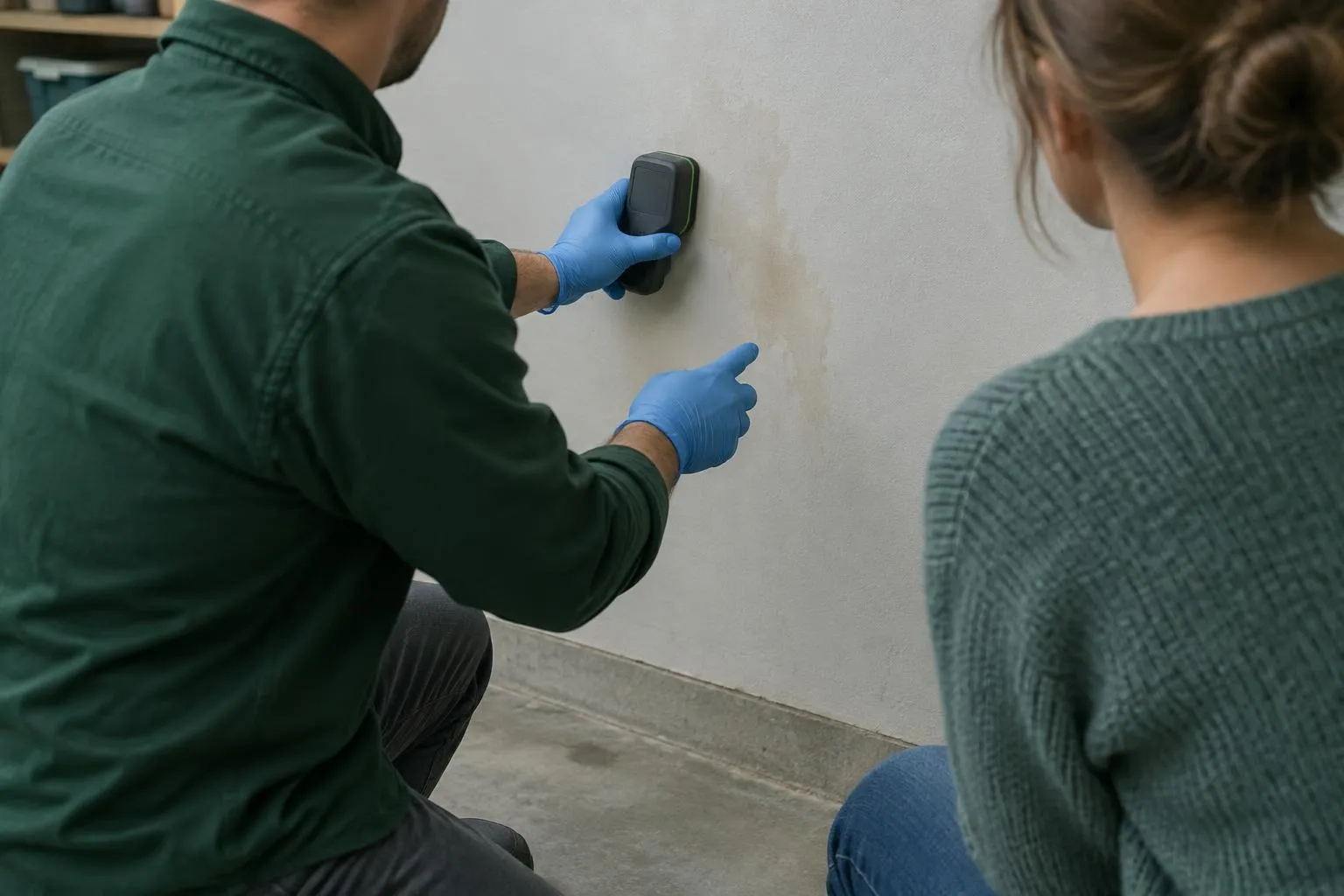
A step-by-step guide to hiring a mold inspector: what to expect, how long it takes, and how to avoid costly mistakes.
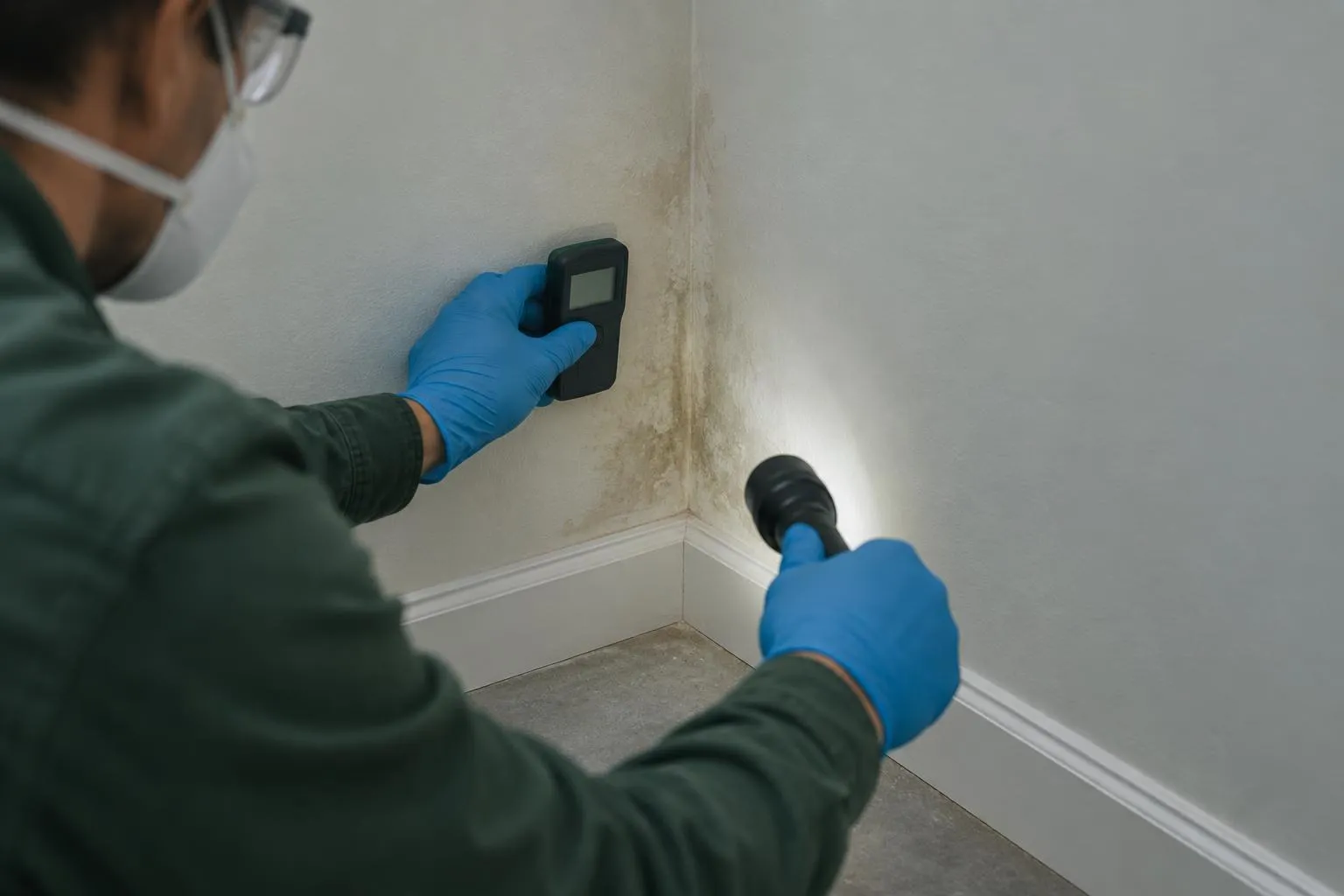
Avoid the $180k mistake: 7 red flags when hiring a mold inspector and how to spot conflicts of interest that inflate costs.
Looking for more? Browse our full resource library or find mold inspectors in other cities.